
Is Chongqing Worth Visiting? An Honest Answer From Someone Who Left and Came Back
In Paris, when I told people I was from Chongqing, the look back was always the same. Polite. Blank. No idea what to do with it. I'd try: thirty million people, in the mountains, southwest China. Still nothing. After a while I learned to say "near Chengdu, where the pandas live" and let it go.
That was a few years ago. Now people send me Reels of the metro running through an apartment building and ask if it's real or AI generated.
So, is Chongqing worth visiting? If you're typing the question into Google, you've already half-decided. Let me try to make this harder, not easier.
I spent ten years away before I came back. Hong Kong, then Shanghai, then Paris. Here's what I see now that I couldn't see at twenty.
The Chongqing you've already seen
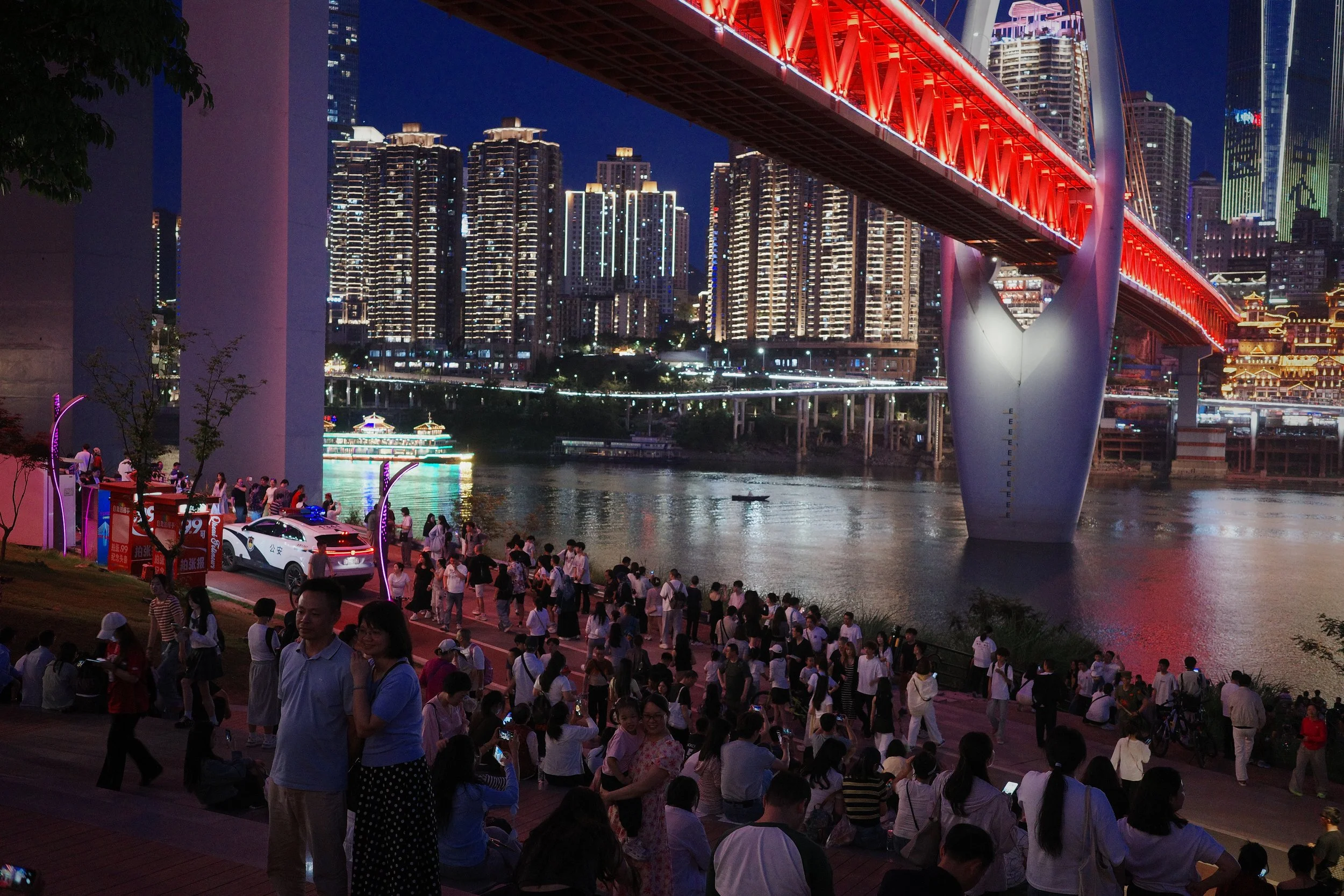
Night View at the Jinagbei Riverside Park
The viral version is real. The metro does run through the seventh floor of a residential building at Liziba Station. Hongya Cave does light up at night and look exactly like a Studio Ghibli matte painting. There are buildings with two ground floors, sometimes three, and elevators that count both upward and downward floors as "1." If you came just for the cyberpunk angles, you wouldn't be disappointed. You'd be having a good time.
But you'd be missing most of the city. The cyberpunk frame catches the silhouette and misses everything beneath it: how this place became a treaty port at the start of the 20th century and began talking to the world, how it survived more than six years of aerial bombing as China's wartime capital, how a new generation built a thirty-million-population city out of riverbanks and cliffs that, on paper, should absolutely not hold one.
The thing the social media doesn't show you is what Jiaochangkou looks like at eleven at night. A woman in pajamas walking her dog. A delivery scooter weaving past a man eating barbecue skewers standing up. The neon is the same neon you saw on TikTok. The street level is something else. The trip lives in the gap between those two things.
Who shouldn't come
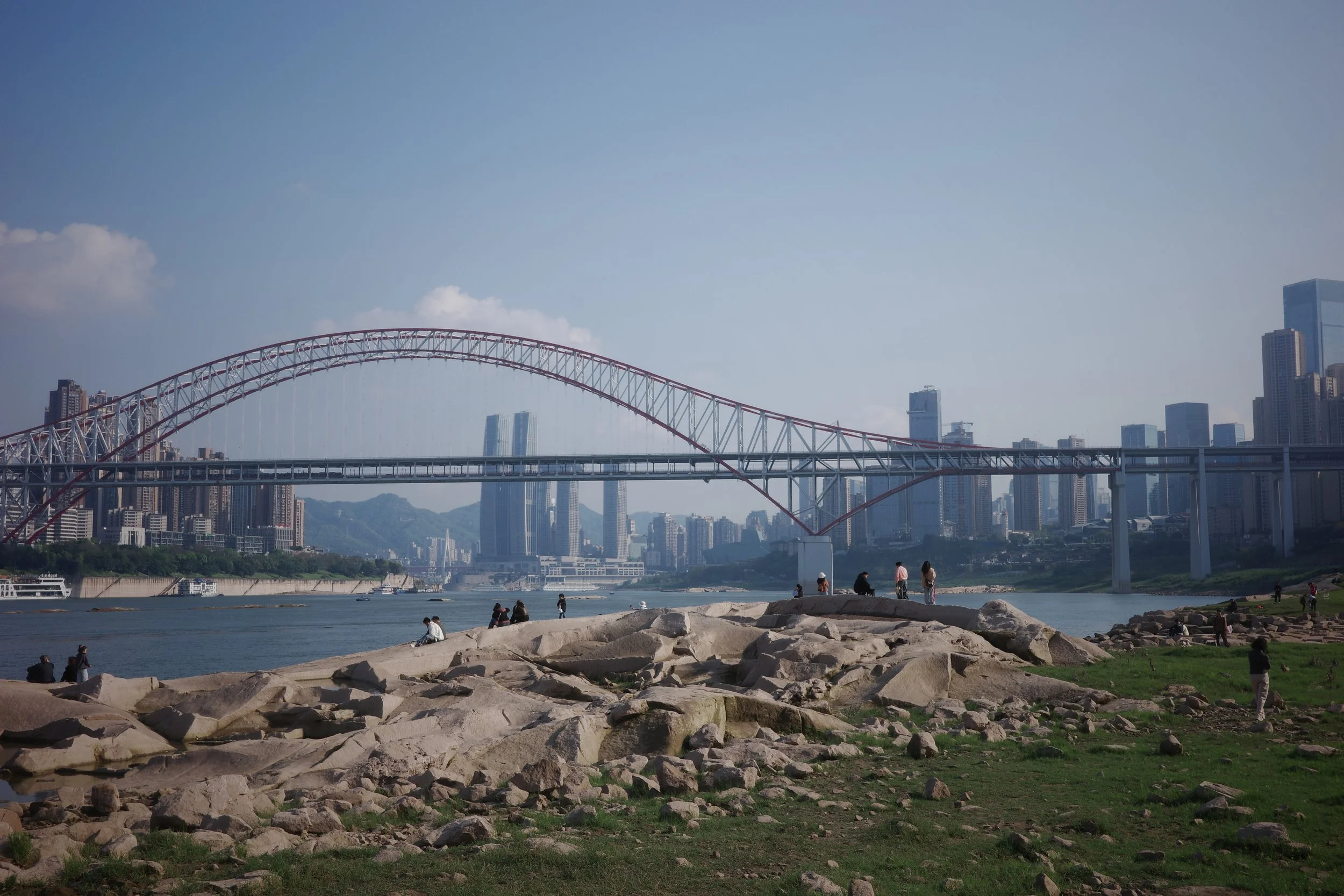
River Bank of Yangtze with Chongqing's Skyline
Chongqing isn't for you if:
You want a soft week. The kind of trip where you don't have to navigate a foreign culture, the staff at every restaurant speak your familiar language, and the local customs are presented to you in a curated, palatable form. Try Bali, or Hokkaido. They're excellent at that. Chongqing isn't built for it.
You need English signage everywhere. Outside of the airport and a few hotel lobbies, you won't get it. Restaurant menus are usually Chinese only. Most taxi drivers don't speak any English. You'll figure things out, but you'll figure them out the old way: pointing, miming, getting confidently lost, asking strangers, accepting the help of a teenager who decides to walk you there.
You can't handle the climate or the topography. Chongqing is humid almost year-round, hot in summer in a way that earned it a nickname (one of the country's "three furnaces"), and built on hills steep enough that "the neighborhood next door" can be a 200-step climb. There are escalators. There are not enough escalators.
You want a predictable cultural experience. Chongqing isn't a museum city. It's not laid out for the slow afternoon stroll between gallery and café. The default speed is loud, fast, and slightly unhinged. If you want a quiet week of refined heritage, Shanghai is two hours away by plane.
If two of the four describe you, this isn't the trip. There's nothing wrong with that. Better to know now than to land here in August expecting Tokyo.
Who should come, and what they'll find
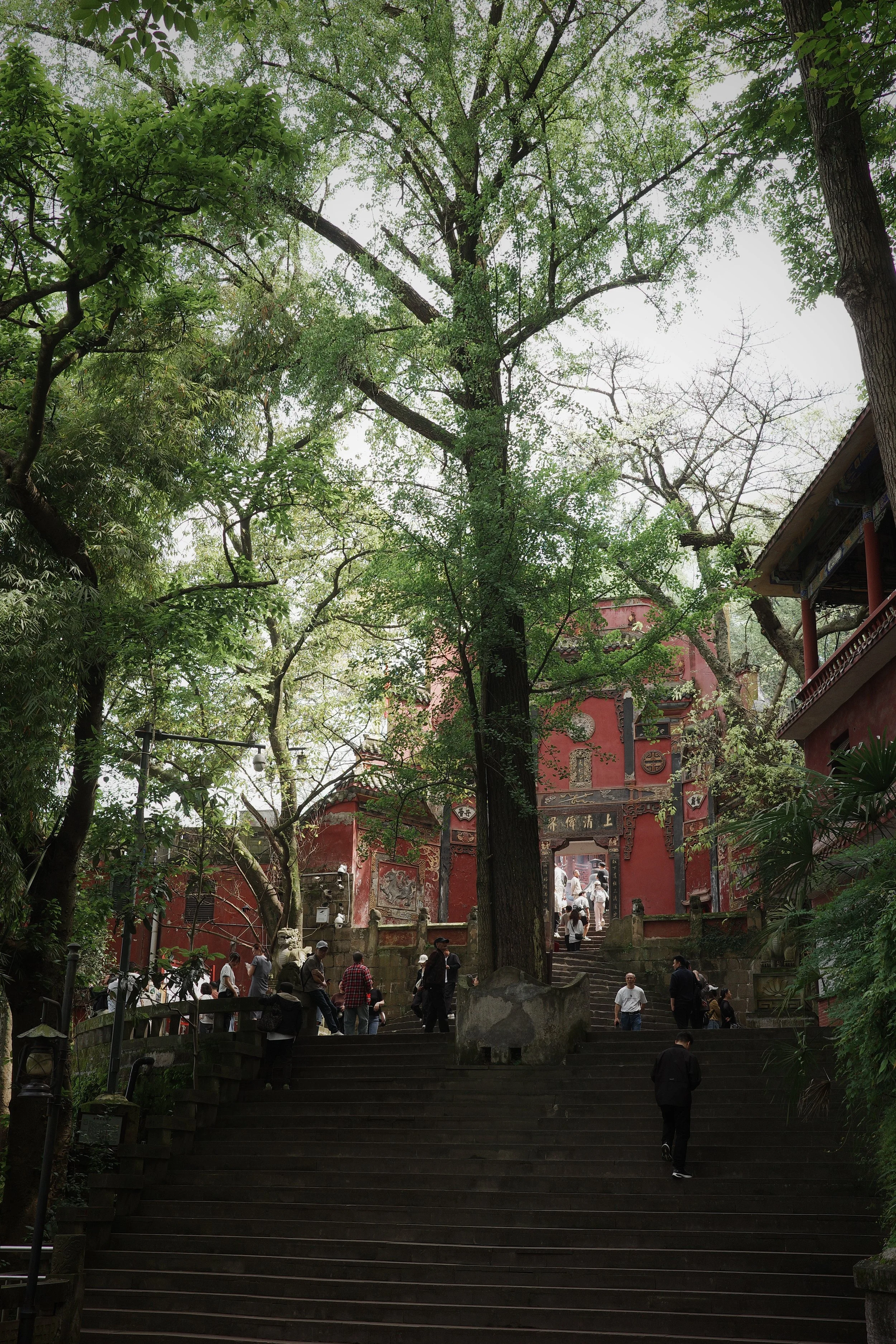
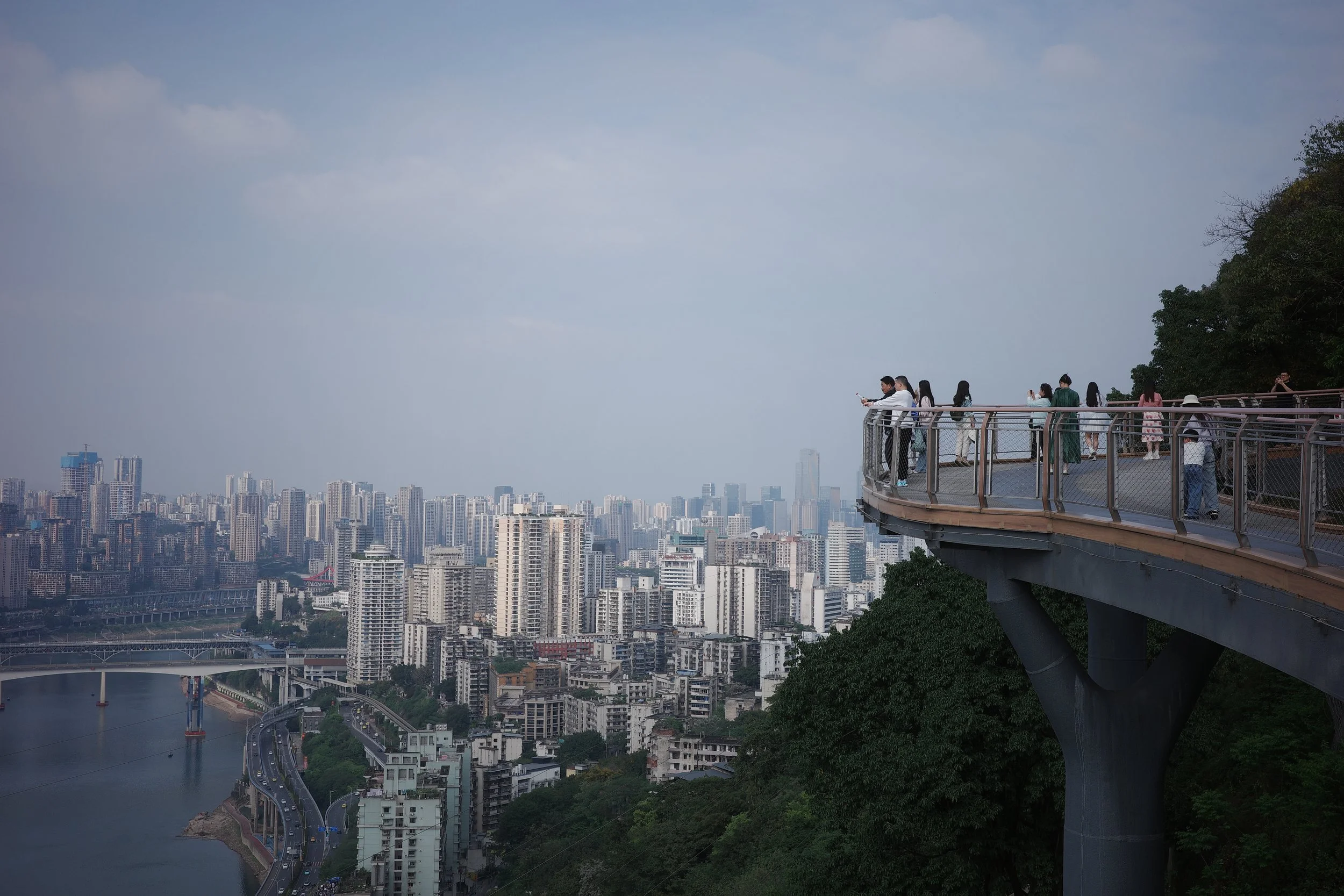
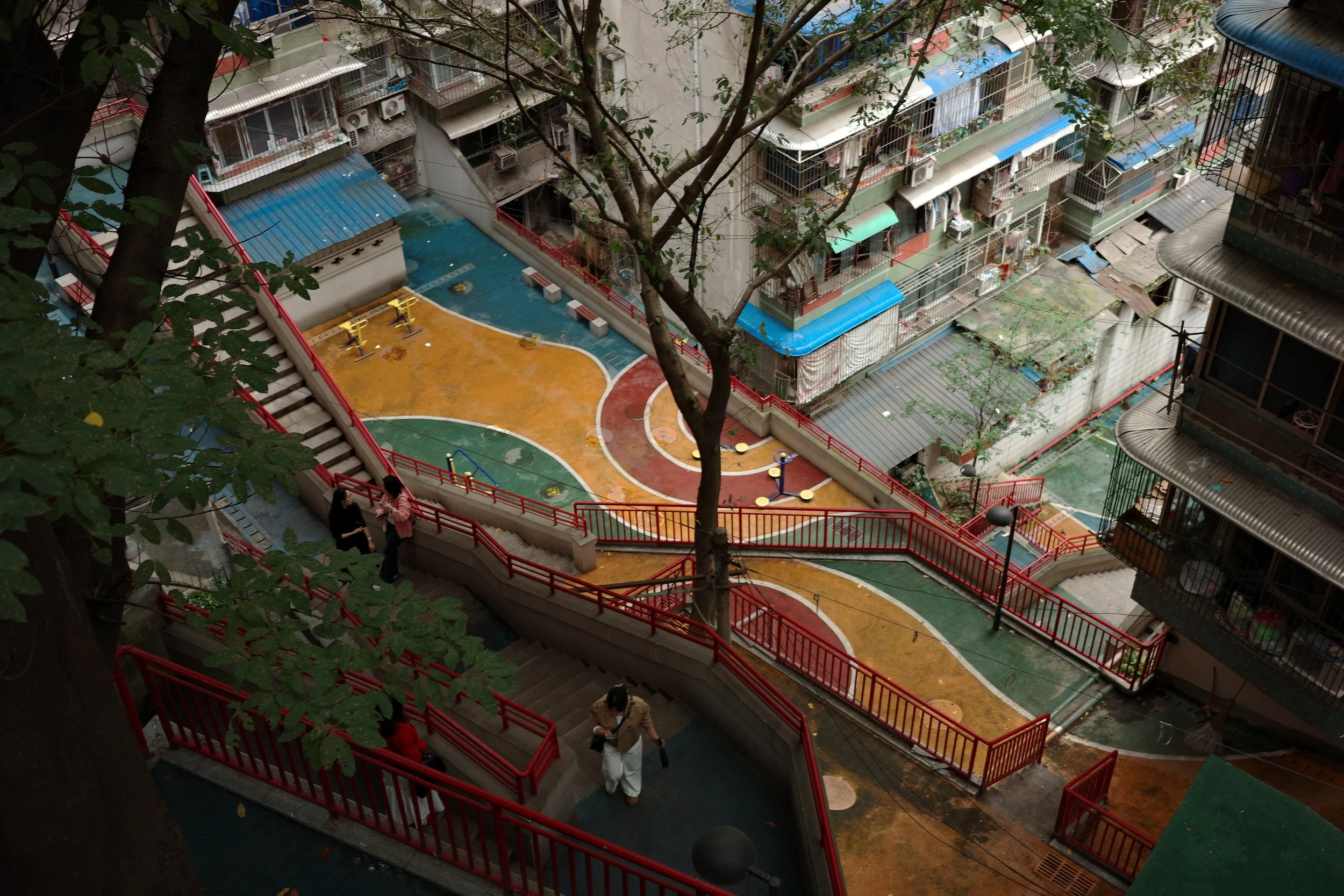
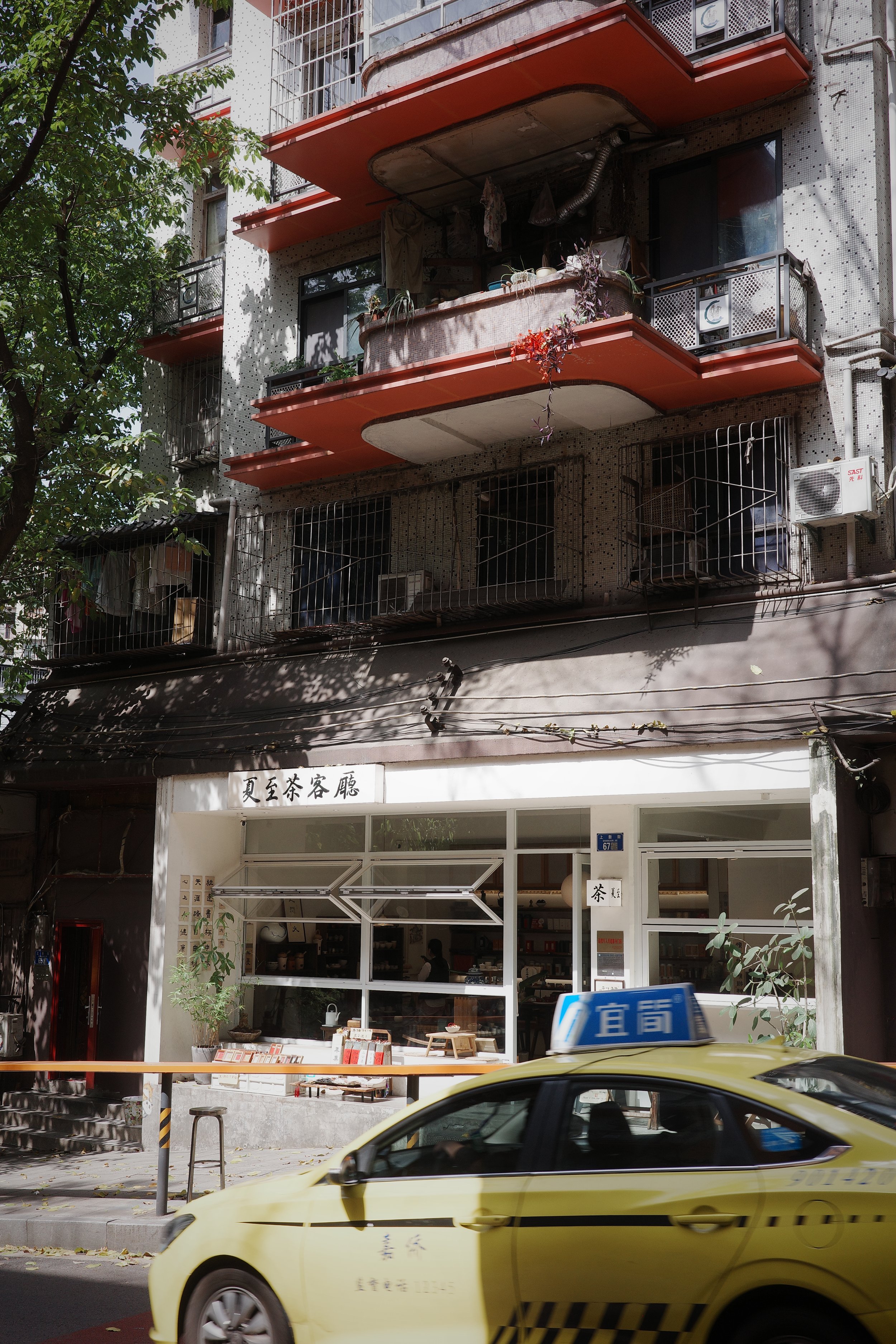
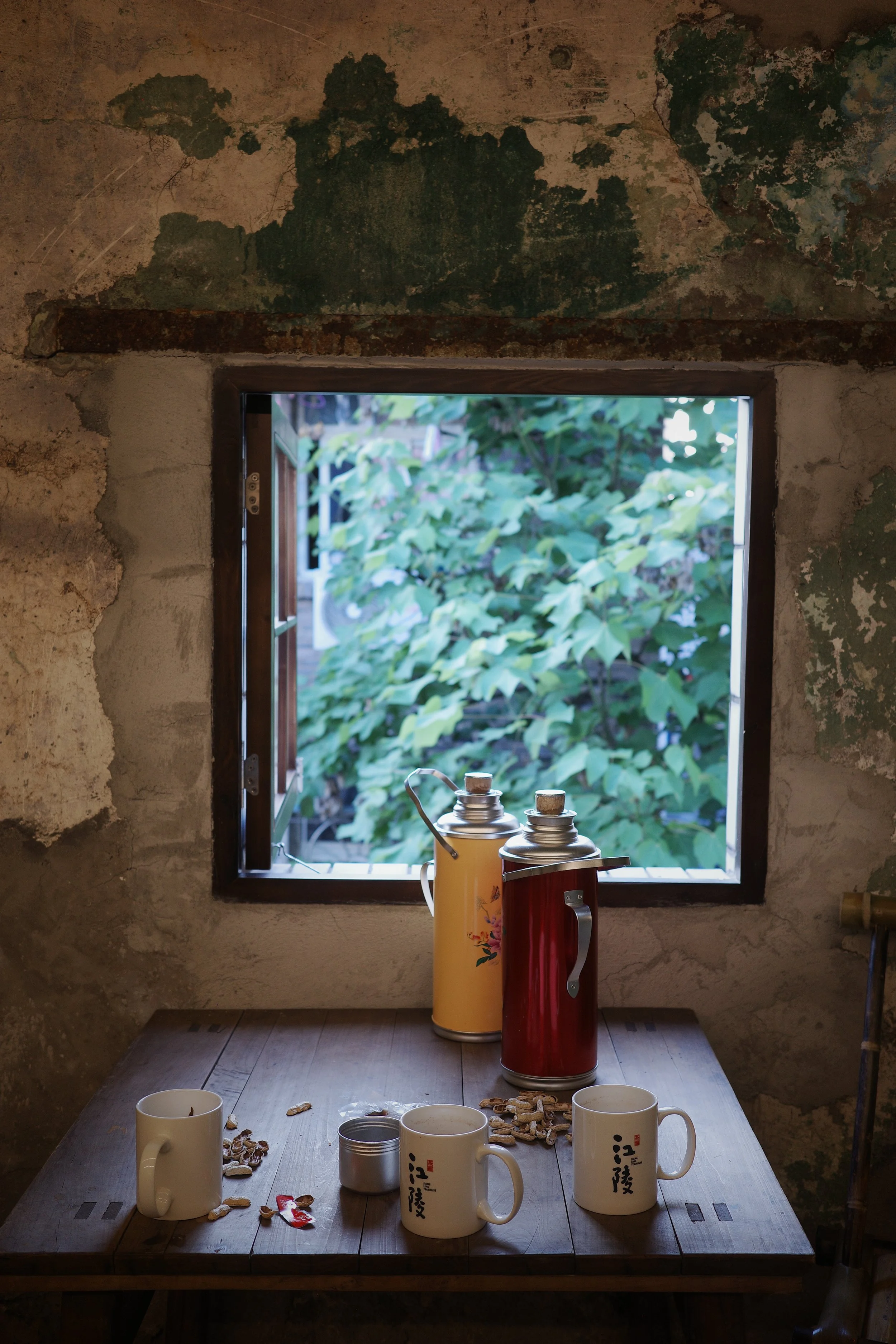
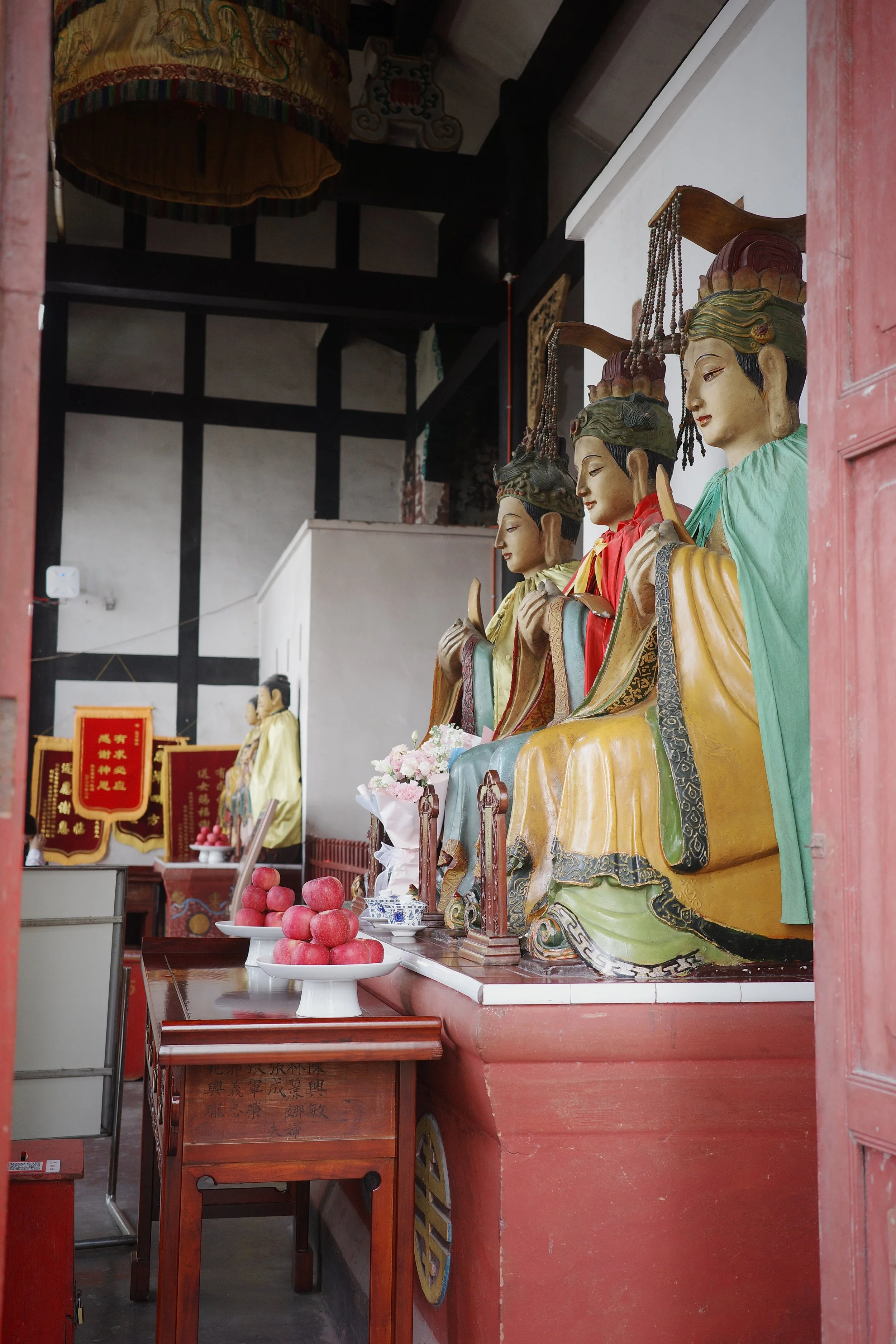
Chongqing rewards three kinds of travelers.
The walker. The kind of person who's happy to do twenty thousand steps a day if the steps go somewhere interesting. For you: the climb up to Laojundong, the 600-year-old Taoist temple on the Nanshan Mountain, where if you arrive at 8am the incense is already going and the auntie at the gate is selling fresh rice cakes for 15 yuan. Better breakfast than any cafe in the city center. Or the ridge walk from Pingdingshan down to Eling Park, where every two hundred meters the city below rearranges itself into a different shape.
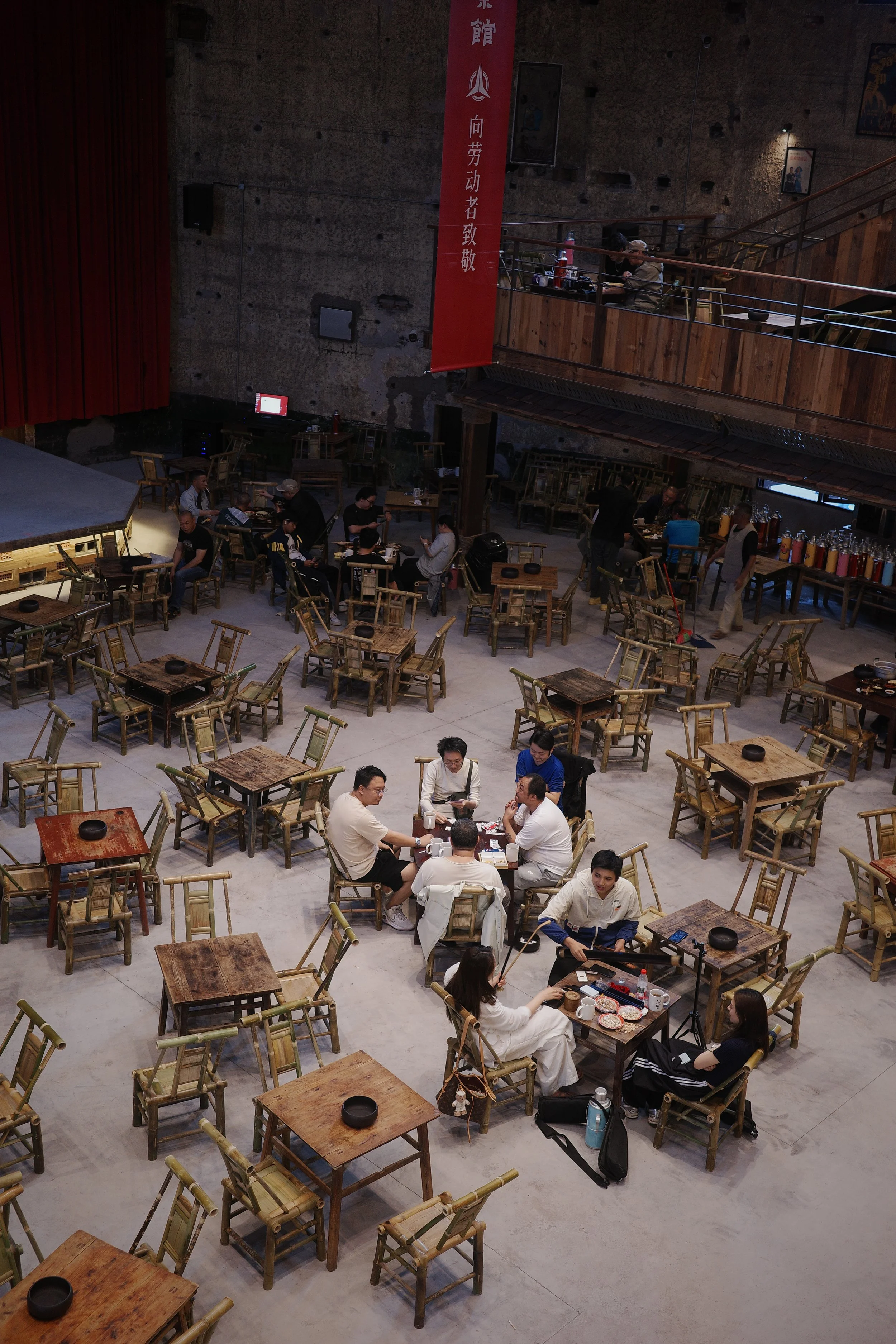
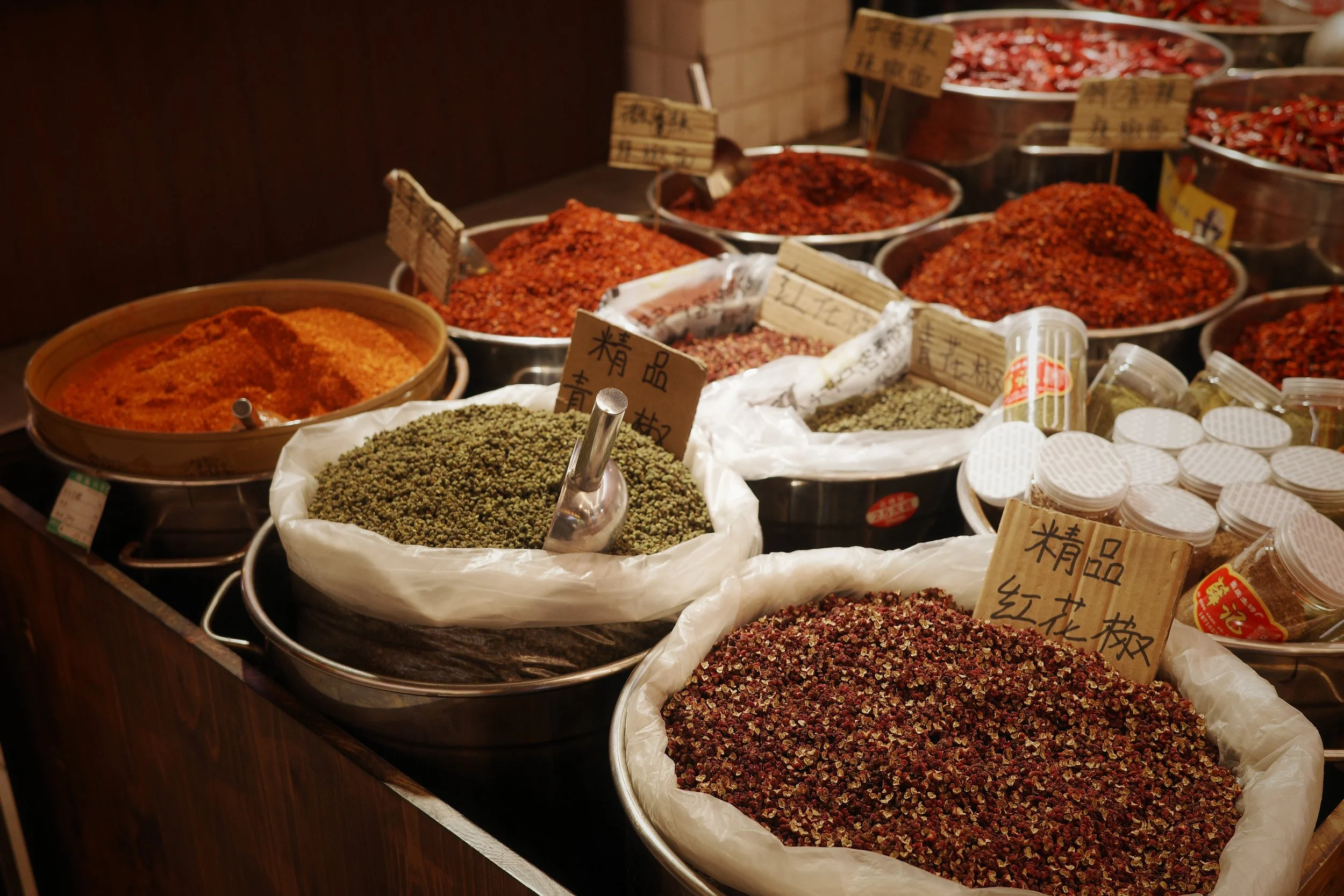
The explorer, not the consumer. The kind of person who'd rather find a hot pot place where the chef in flip-flops just points at the chili oil pot and nods, than a five-star spot with English menus and Instagrammable plating. Chongqing isn't going to meet you halfway. It doesn't translate, soften, or stage itself for foreign visitors. But if you're willing to walk into a place that doesn't look polished, the food is better, the price is a third, and you'll be the only non-local in the room.
The kind of traveler who actually wants to talk to people. Not "experience local culture" in the brochure sense. Actually exchange words with strangers. Chongqing locals are some of the warmest in China, and also the most direct. Get visibly lost on a staircase in Shibati and you will not be left there. Someone will gesture, give you directions in fast Sichuanese dialect, then walk you to the place anyway, and refuse the thanks. This happens every day. It's one of the reasons I came back.
If you read those three and recognized yourself in any of them, the city is going to deliver. If none of them felt like you, take this as a friendly off-ramp.
What locals know that the algorithm doesn't
There's a story under the city, and it's the one almost no travel site tells you well.
During the Second World War, Chongqing was the wartime capital of the Republic of China. The Japanese air force bombed it for more than six years, one of the longest sustained aerial campaigns in human history. People here counted air raids the way other cities counted rainstorms. To survive, the population dug: They cut tunnels straight into the hillsides, hundreds of them, deep into the rock. By the end of the war the mountain spine of the city was honeycombed with shelters large enough to hold hundreds of thousands of people at once.
The shelters never went away.
Walk into a hot pot place in the old town in August and you'll feel the temperature drop ten degrees as you step inside. You're not in a basement. You're in a tunnel that someone's grandparents hid in during a raid in 1941, with a few tables and a chili pot now where the bunks used to be. The stone walls bead with cold water all summer. There are cocktail bars carved into the same hillside, run by some of the city's best bartenders. There are bookshops, recording studios, milk tea spots, and even contemporary art venues in the city, all of them in former shelters.
What this means for a visitor: the most efficient air conditioning in Chongqing in August is also the most historically dense space you can walk into. You don't have to seek them out, you will stumble into them just by following the streets.
This is the thing most cities bury. Chongqing kept it, repurposed it, and started serving spicy noodles in it. Most travelers walk through without noticing or without knowing why. Now you'll notice.
When to come, when not to
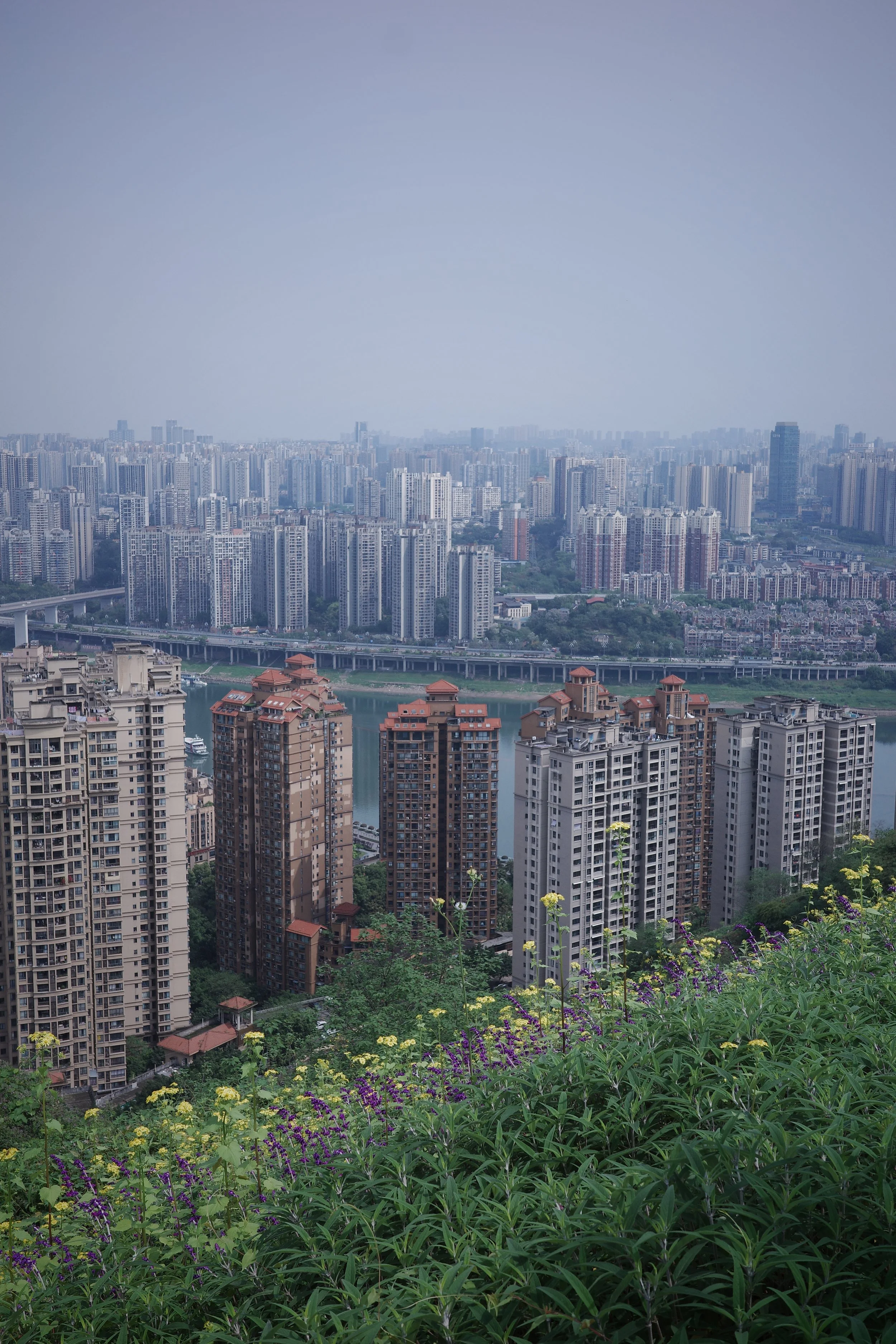
View from Banshan Cliff Walkway
The honest seasonal advice that no one is going to give you:
July and August are brutal. Daytime highs of 40°C with full humidity. Walking outside between 11am and 4pm becomes a survival exercise. The skies are also their clearest of the year, the drone shows are at their best, and the river evenings are beautiful, but you will spend half the trip indoors. Come if you genuinely love heat. Skip if you don't.
September to early November, and March to early May, are the windows. Mild, often overcast, sometimes rainy, but walkable. This is when I tell friends to come. The light is softer, the food sits better, the city's vertical geometry turns into a feature instead of an obstacle.
December through February is the underrated season. Yes, it's gray. Yes, the fog rolls down the river and sits in the alleys for weeks. This is the Chongqing that filmmakers keep casting in their movies for a reason. If the atmosphere is what you want, winter delivers it in a moody way summer never can. Dress in layers. The cold here is wet and finds its way through everything.
If you can't choose: May or October. They're the two best months of the year.
A scene to leave you with
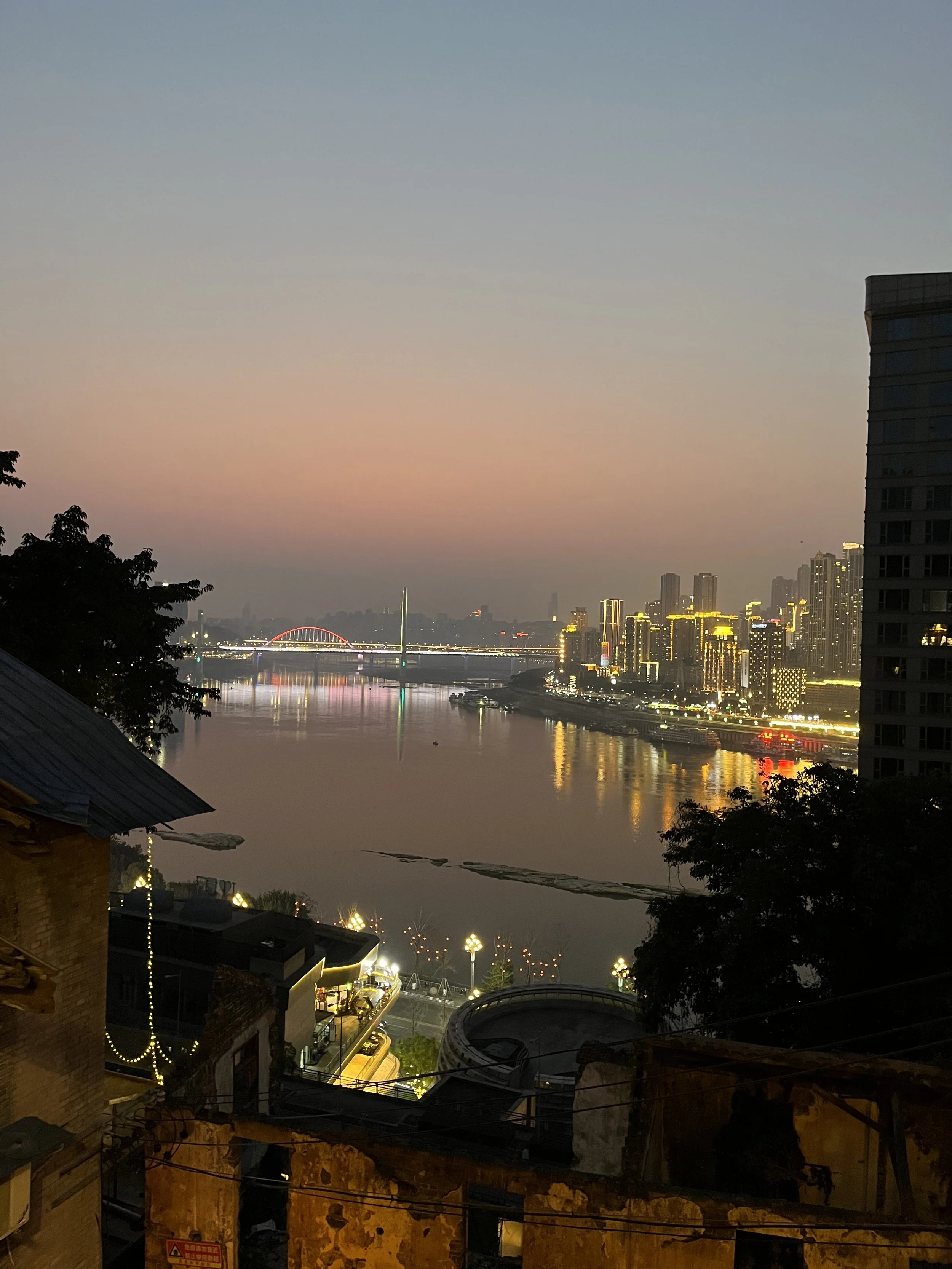
View from Ma’anshan Hill
It's seven in the evening in late September. You've walked maybe fifteen thousand steps already, mostly going up. The Yangtze River is to your right, the city is in layers all the way down to the water, and the air finally smells like the temperature is coming off the day.
Your friend, who's lived here her whole life, points at a doorway you would have walked past, and you follow her into an open yard tucked into the hillside, the river and the city laid out below. The hotpot is already on the table. There's a bottle of cold beer with a lot of condensation on it. Outside, somewhere above you, the cable car is starting its first night crossing of the river.
If this sounds like your kind of trip, get the Ultimate Chongqing Guidebook. Practical, opinionated, and written by someone born and raised here.
If you'd rather walk it with someone local, I run small-group walks here.
If you're not ready yet, the Free First Timer Kit is ready for you to download anytime.
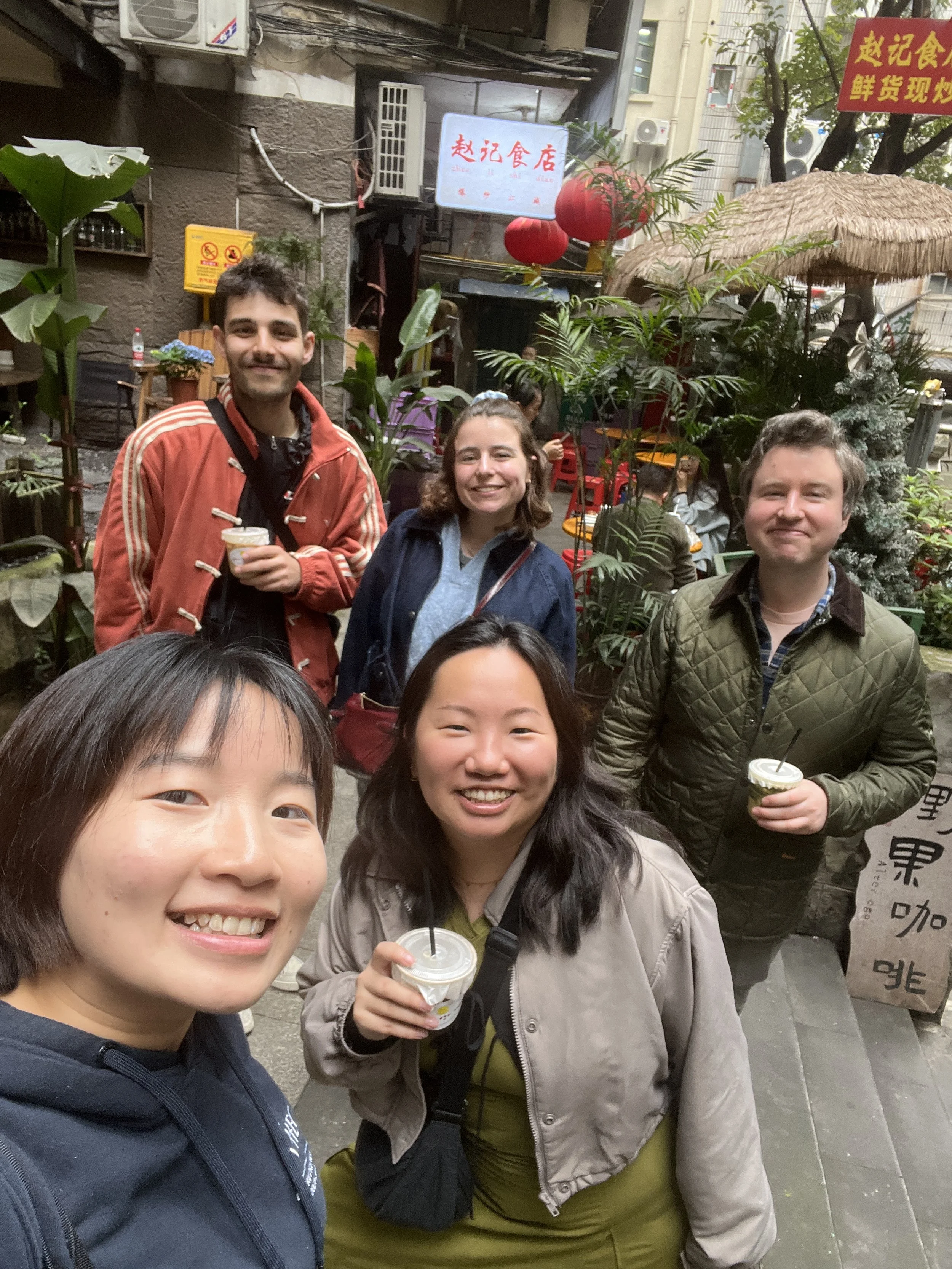
Seven hours, one local, the full shape of the mountain city.
Chongqing is a city best understood on foot. The hills, the staircases, the neighborhoods stacked on top of each other - none of it makes sense from a map. It only clicks when you're in it.
A full day gives you the whole arc: old lanes in the morning, a proper local lunch, and by afternoon you're on a ridge watching the Yangtze bend around the city. We walk through residential steps, hillside temples, ancient trials, and viewpoints only locals know. No rushing, no script, just a discovery day with enough time to actually read a city.
Come with good shoes and curiosity. Leave understanding why Chongqing doesn't look like anywhere else in China.