
Chongqing vs Chengdu: Two Cities, Two Versions of Southwest China
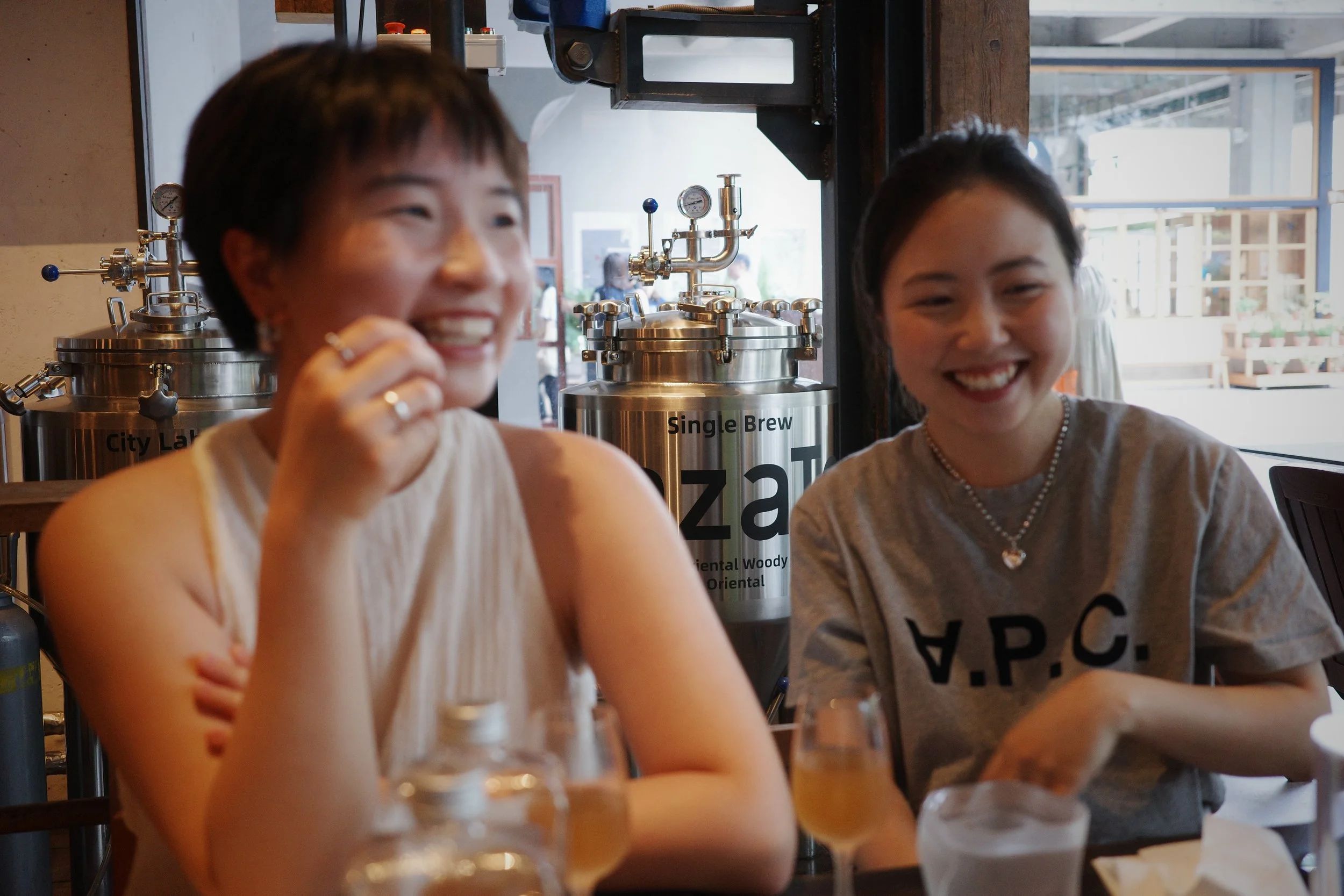
A typical Chengdu style afternoon drink
Ask this question in Southwest China, and you might start a civil war between its two biggest cities.
Chengdu and Chongqing are both extraordinary, with a subtle rivalry between locals that's been simmering for decades. Think LA versus San Francisco, or Sydney versus Melbourne: two famous cities sharing a region, each convinced they have the better food, better mood, and better claim to the soul of the place.
So let me say this clearly from the start. It's not really a competition. They're two completely different experiences with different textures.
If you want the short version: go to Chengdu if you want a relaxed, well-paved introduction to Southwest China. Go to Chongqing if you want to be genuinely surprised, and to discover the unpolished side of Southwest life. Do both if you have a week.
Need help deciding? Find your traveler type below.
Quick decision guide: which one is right for this trip?
First time visiting China overall: Slightly lean Chengdu. The pace is gentler, the streets are easier to read, and you'll have more bandwidth left over to absorb everything else China throws at you. If you have a few extra days, add Chongqing afterward as the surprise destination.
Returning China visitor (already done Beijing or Shanghai): Go to Chongqing, and give it more days than you originally planned. The cities you already know won't have prepared you for it, which is precisely the point.
Traveling with kids under 10, or older parents: Lean Chengdu. Flat streets, slower rhythm, panda base, big walkable parks. Chongqing's geography is part of its magic, but stairs and slopes are everywhere.
Food-obsessed traveler You can't lose here. Two locals could argue about this for two days. The short version: Chengdu offers a refined, more balanced version of Sichuan cuisine rooted in banquet traditions. Chongqing serves bold, direct, unstaged flavors born from harbor workers and dockside cooks. Different ancestors, different styles in the same big house.
Looking for a relaxed vacation: Chengdu.
Looking for sensory-rich discovery: Chongqing.
What Chengdu feels like


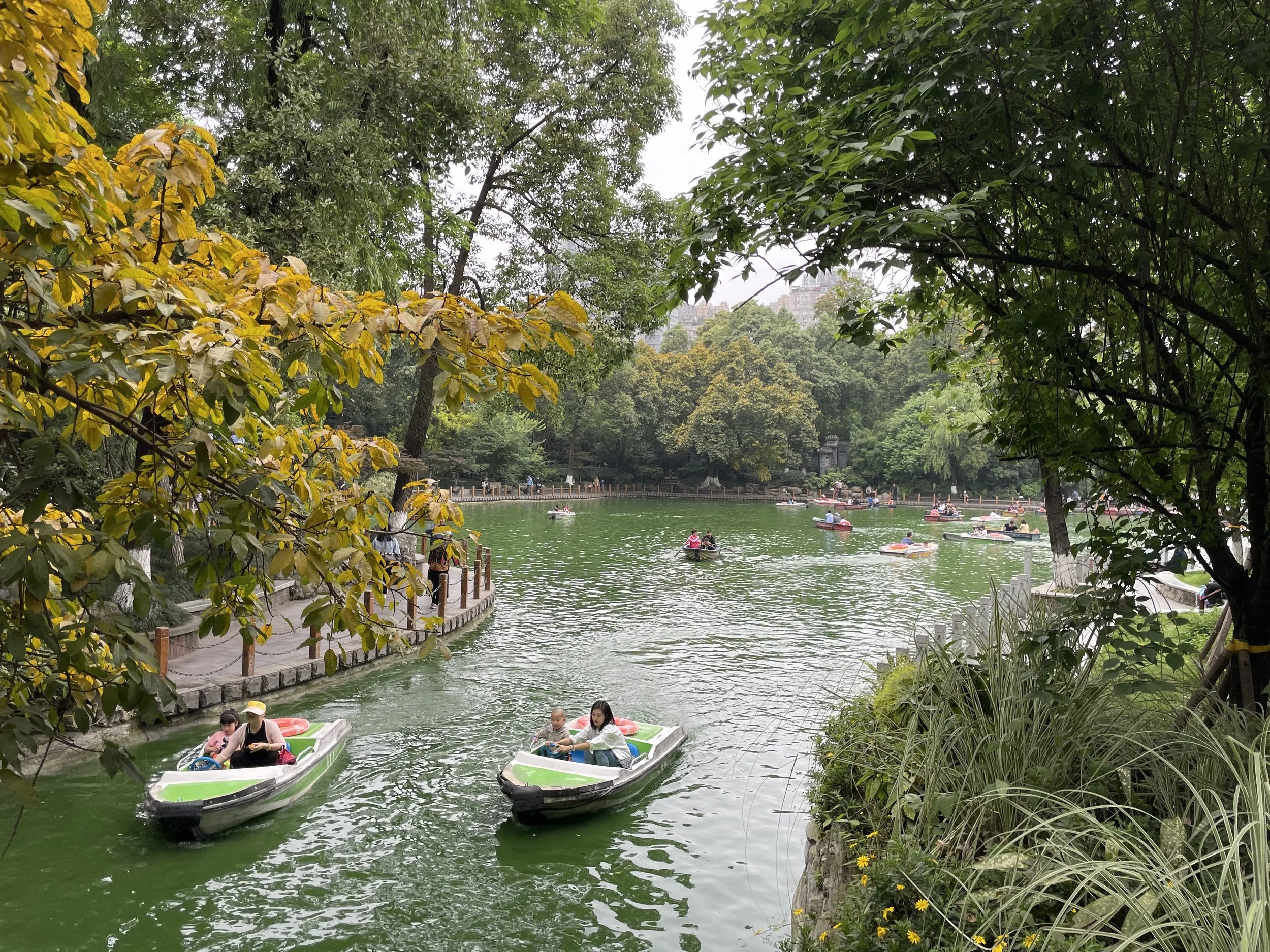

If you imagined Chengdu as a person, it would be elegant, polished, and unhurried.
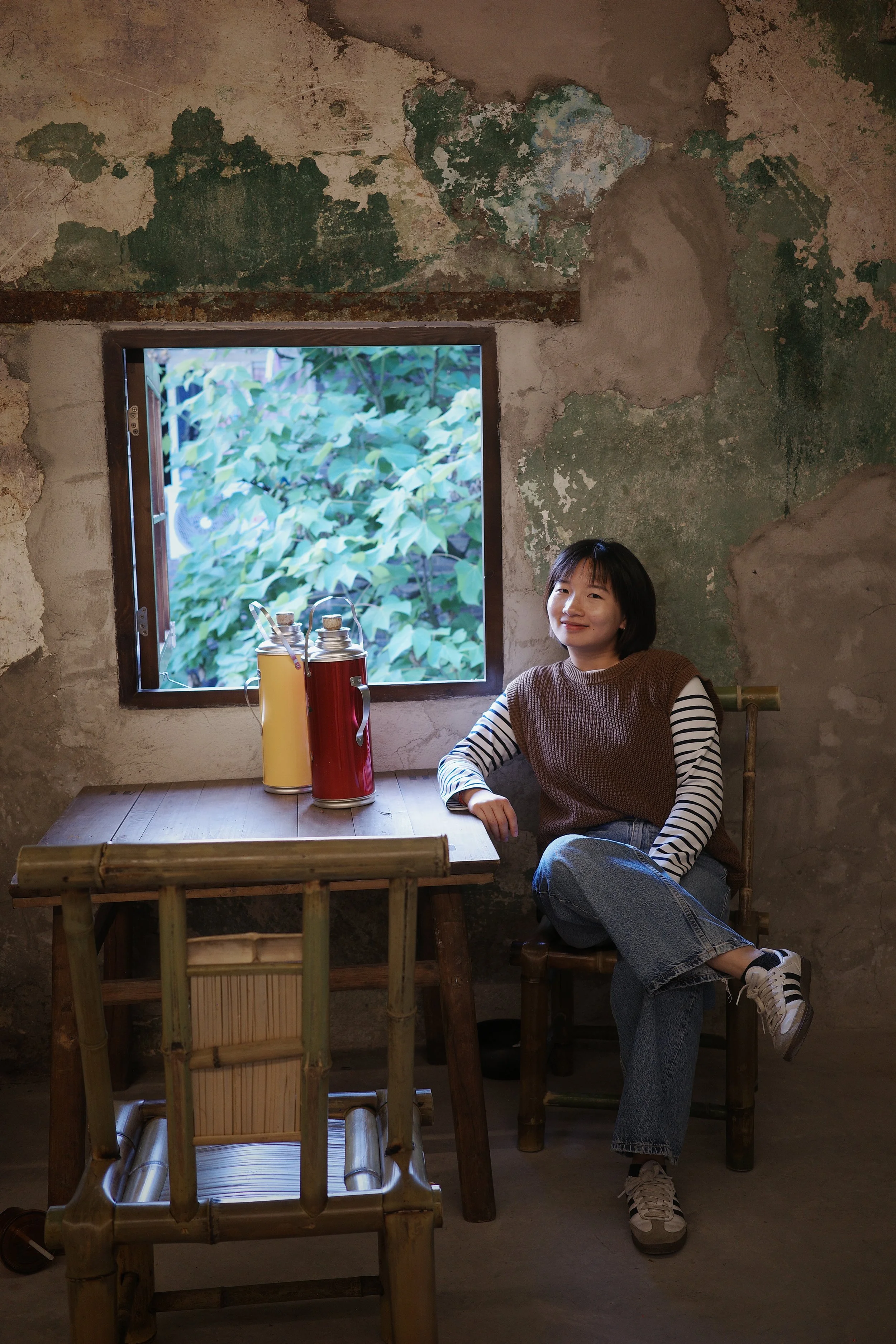
It's a city with a deep history and a well-earned reputation for slow living. You can easily pass an afternoon sipping tea in a neighborhood teahouse, drifting through one of the big parks, or wandering temples that have quietly carried centuries on their shoulders. People's Park is the kind of place where locals get their ears professionally cleaned with long metal picks in folding chairs, and where Sunday's famous matchmaking corner sees parents trading résumés of their unmarried adult children.
The city is flat, completely bike-friendly, and very walkable. It's also laid out in the orderly north-south-east-west grid familiar from Beijing: a clear center, expanding outward in four directions. A legible city.
It's the more internationally tuned of the two. You'll find English menus more often, a developed hostel culture, third-wave coffee shops, designer boutiques, and a restaurant scene that feels closer in spirit to Shanghai's.
And there's no argument around this one: go to Chengdu for the pandas. Chengdu is their native home, and the Chengdu Research Base of Giant Panda Breeding is the largest and most serious conservation center of its kind in the world.
Chengdu is also the capital of Sichuan province, which means an excellent supply of day trips on tap: Leshan (the giant Buddha carved into a cliff), Mount Emei, Qingcheng Mountain, Dujiangyan. If you're planning Chengdu, leave one or two days for the surrounding province.
In short, Chengdu is a Southwest China that has been thoughtfully prepared for visitors. Family-friendly, navigable, generous with its hospitality.
What Chongqing feels like
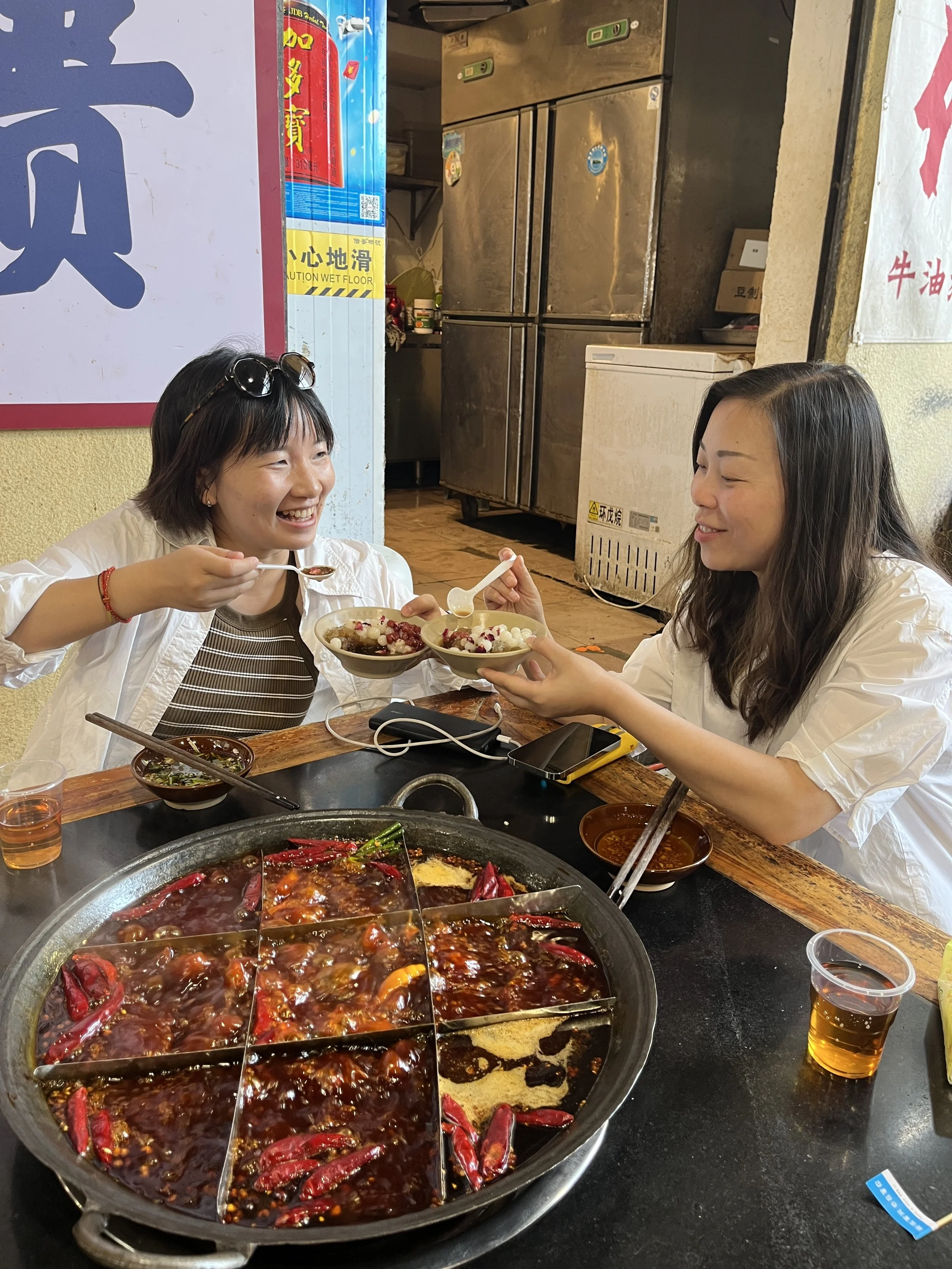
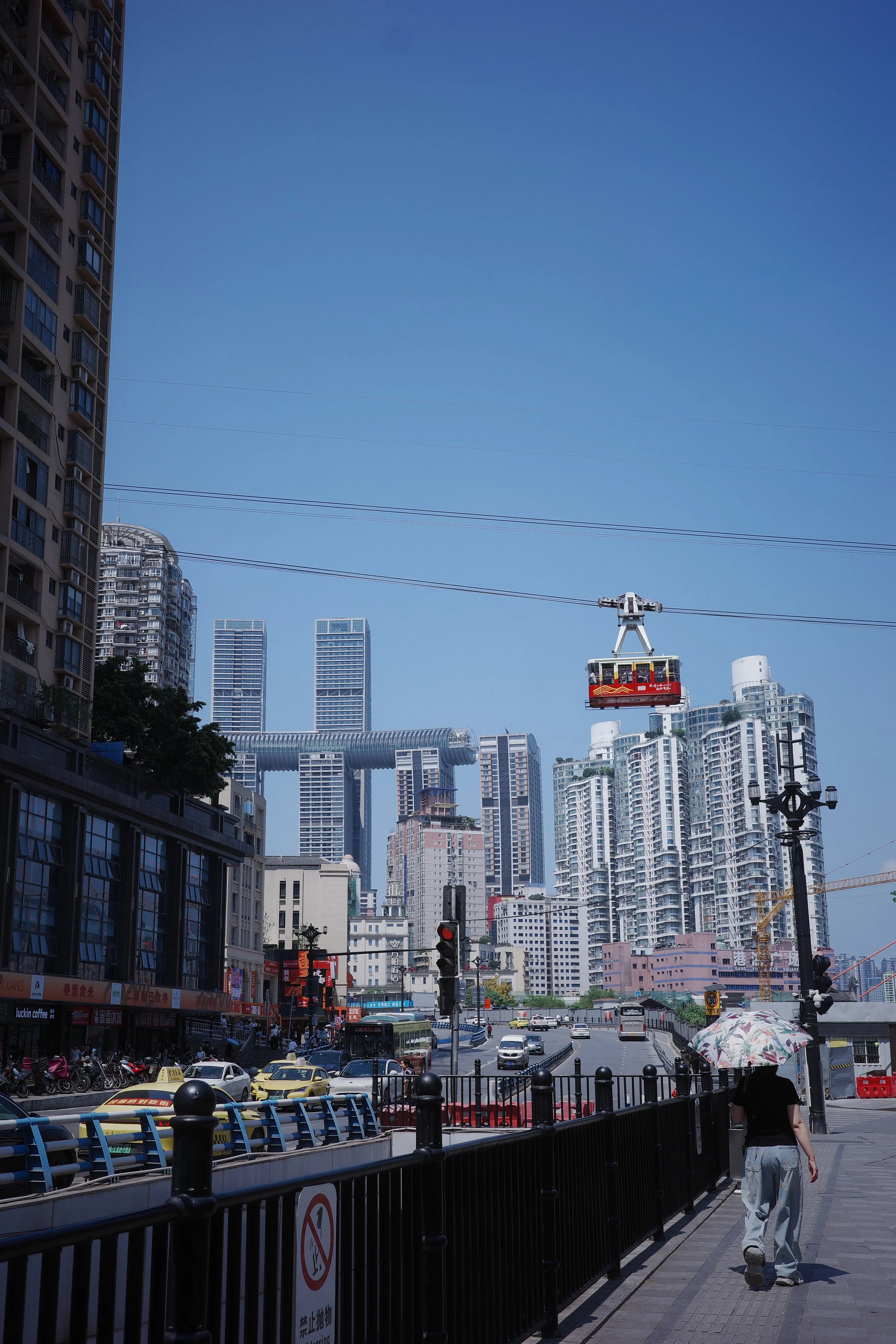

Chongqing isn't the harder version of Chengdu. It's a different world entirely.
The whole city is carved between four mountain ranges and two big rivers, a megacity that grew into impossible terrain. A few things follow from this.
It won't behave like any city you know. You'll walk out of a metro station and discover you're on the 19th floor of a building. You'll see a kind of vertical urbanism that no one else in the world has had to invent, because no one else had to. You'll find yourself inside a city you have no reference point for: strange, mountain-bound, river-cut, and somehow running at full speed.
Its everyday life hasn't been translated for visitors. You'll wander into markets where no one speaks English, and where locals aren't even speaking standard Mandarin. You'll eat hotpot inside a converted air-raid shelter. You'll drink tea in a former cinema in an old factory district. You'll find cliffside walkways that locals use as shortcuts. At Chaotianmen, where the two rivers meet, you'll still see bang bang, porters who carry goods on bamboo poles up the city's endless stairs, coexisting with the glass towers above them. Chongqing shows you all of its people at once, loud and alive, without polishing any of it for your visit.
Before becoming a directly-administered municipality in 1997, Chongqing was part of Sichuan. But the Sichuan cuisine here is heavier, spicier, more direct, and more working-class in its origins. (Chongqing hotpot was invented by boatmen along the Yangtze, who cooked affordable cuts together in shared pots on the docks.) If Chengdu's food is about taste, Chongqing's is about the street and the river.
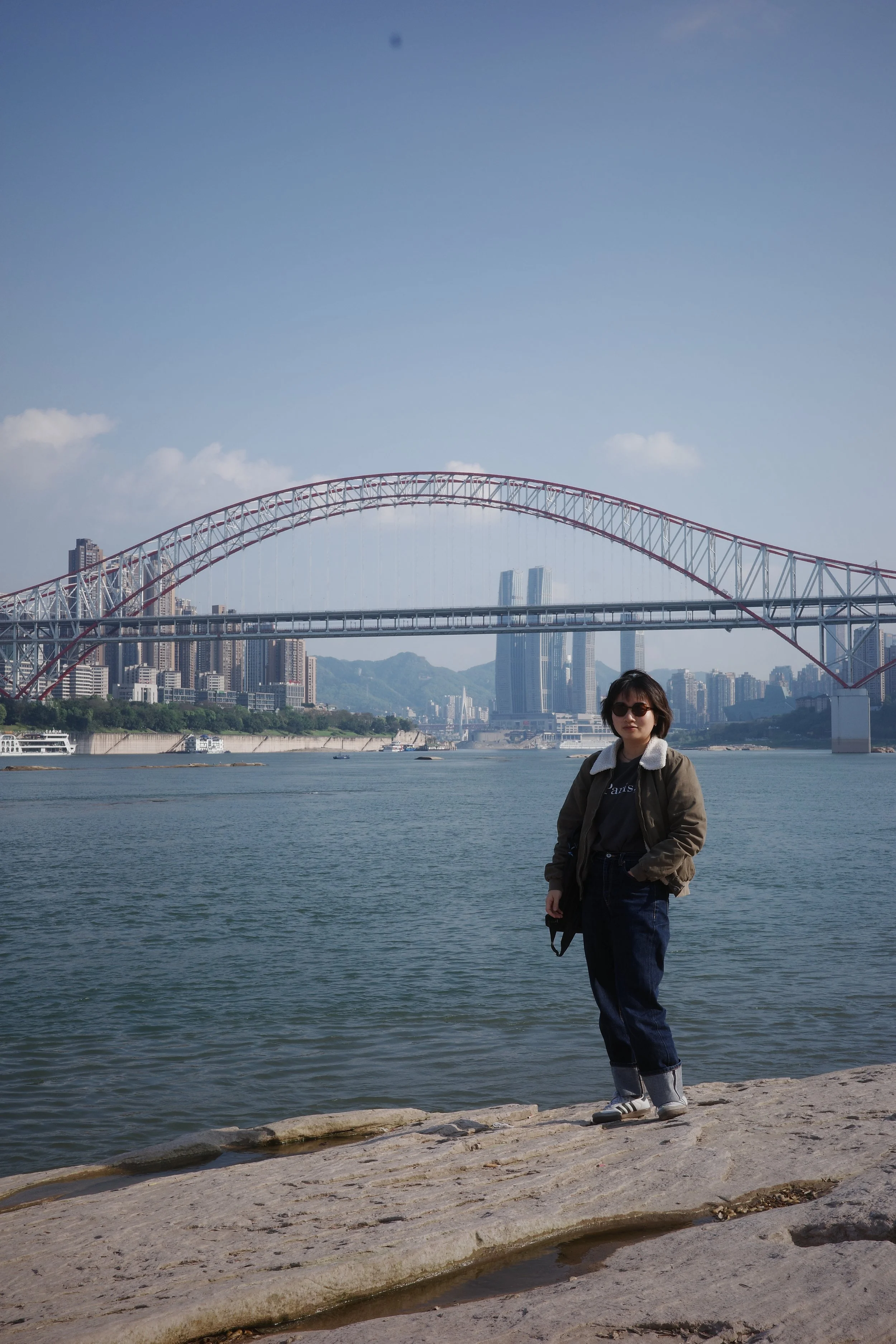
The landscape itself is part of the experience: vertical neighborhoods stacked into mountainsides, enormous bridges threading two rivers and four shorelines into a single city.
Chongqing is a Southwest China that hasn't been smoothed over for you. It's waiting for you to find its hidden alleys, lookout points, and local scenes most travelers never see.
The honest practical comparison
Getting around
Chengdu is flat, bike-friendly, and has a mature metro system. Walking around the city center is genuinely pleasant.
Chongqing's roads were built for cars, and many of its best shortcuts are pedestrian-only walkways that only locals know about. It's not the most walkable on its own, but metro coverage is excellent (and the metro line 2 that passes directly through the apartment building at Liziba station is a sight in itself).
English accessibility
Chengdu is meaningfully ahead. More English menus, more English-speaking staff, more international hostels.
In Chongqing, English fades fast outside of major hotels. Some travelers find this is part of why Chongqing feels like the "real" China they came looking for.
Food
Both world-class, both worth restructuring your trip around. The difference is in lineage: Chengdu inherits the refined banquet tradition, Chongqing inherits the dockside jianghu (river-and-lake) tradition. Same family, different styles.
Best length of stay
Chengdu: 3 to 4 days will cover the core of the city plus one day trip.
Chongqing: plan 3 to 5 days. The vertical city takes time to unlock, and you'll want at least one neighborhood beyond the obvious skyline shots.
Day trips
Chengdu wins on day-trip infrastructure: Leshan, Mount Emei, Qingcheng Mountain, and Dujiangyan are all well-established routes with smooth logistics.
Chongqing has Dazu Rock Carvings (UNESCO, and underrated), Wulong (the karst landscapes featured in a famous Zhang Yimou film), and the Three Gorges if you have time for a cruise. The routes are excellent, just less streamlined for international visitors.
Why not both?

The high-speed train between Chengdu and Chongqing takes about 1.5 hours. Most international visitors don't realize this. Locals do, and they ride it constantly.
A small confession about Chengdu and Chongqing people: there's a genuine rivalry between them, and they'll defend their city as the true heart of Southwest China at any provocation. They'll also, quietly, book weekend train tickets to the other city to eat, shop, and explore. It's the kind of regional sibling dynamic anyone with a sibling will recognize.
If you have the time, do both. Suggested splits:
5 days: 2 days Chengdu + 1 day Leshan + 2 days Chongqing
7 days: 2 days Chengdu + 1 day Leshan + 1 day Mount Emei + 3 days Chongqing
Most tour operators present this as a one-or-the-other decision. It rarely needs to be.
If Chongqing is on your list

Chongqing style layered city
You've made a good call. You're about to meet one of the most unforgettable cities of your life.
Chongqing rewards a local lens. Most of its best moments happen above and below street level, in places Google Maps doesn't quite know how to describe. Travelers I've shown around often tell me this is exactly when they feel like they're really traveling: when the script disappears and the city starts to surprise them on its own terms.
Locals are some of the warmest you'll meet in China. They'll find ways to help you long before language ever becomes the question. Bring your curiosity and a fully-charged camera. You'll take more photos than you planned.
Because Chongqing has so much less English content online than Chengdu, I put together a few things to help:
The China First Timer Kit(free): the basics for anyone visiting China for the first time
The Ultimate Chongqing Guide: a full self-guided playbook to the city, written by a local
Yedu Walking Tours: small-group walks where I show you Chongqing the way I show it to my friends
Whether you choose Chengdu, Chongqing, or both, you're making a good decision. Welcome to Southwest China. You're about to meet the bolder, wilder side of the country, and it's just as full of spice as the food on every table.
If you have any specific questions about traveling in Chongqing or Chengdu, write to contact@yedutrip.com. I personally read and reply every email and I will try my best to help out :)
Shiqi from Chongqing
Seven hours, one local, the full shape of the mountain city.
Chongqing is a city best understood on foot. The hills, the staircases, the neighborhoods stacked on top of each other - none of it makes sense from a map. It only clicks when you're in it.
A full day gives you the whole arc: old lanes in the morning, a proper local lunch, and by afternoon you're on a ridge watching the Yangtze bend around the city. We walk through residential steps, hillside temples, ancient trials, and viewpoints only locals know. No rushing, no script, just a discovery day with enough time to actually read a city.
Come with good shoes and curiosity. Leave understanding why Chongqing doesn't look like anywhere else in China.