
Hidden French Missionary Heritage in Chongqing: A Walking Guide
I walked past Shancheng Alley for years without knowing what was behind the wall at the top of the steps. Then the wall came down, and there it was, a stone church with a bell tower that used to ring out over the Yangtze, and next to it, twenty five rooms where you can actually stay the night now.
Chongqing keeps its French history the way it keeps most things, folded into the hills, easy to walk past if nobody tells you to look. Between 1844 and the 1910s, French Catholic missionaries built a scattering of churches, a hospital, a seminary and a school across this city, most of it long before the rest of the world had heard the word Chongqing. Some of it is gone. What's left is more interesting and better than any guidebook lets on, a working cathedral, a church site that's now a boutique hotel, and a wartime spy post that now pours coffee.
This is a walk through what's still standing. One afternoon in the old town, and a longer version if the city has you for a second day.
The Afternoon Walk
The Former Sino British Liaison Office (中英联络处旧址), formerly Zhenyuan Church (真原堂)
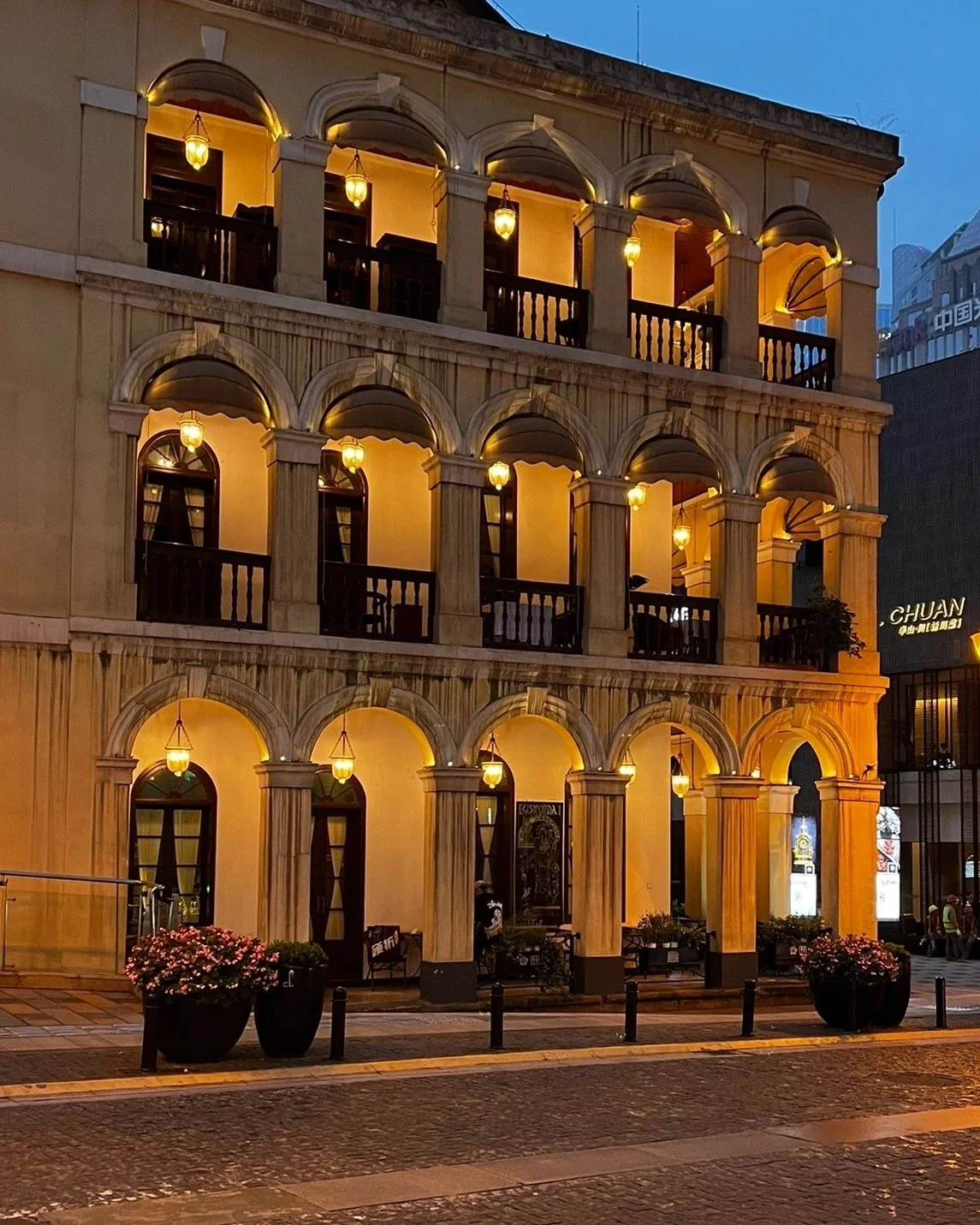
The Former Sino British Liaison Office
Start near Jiefangbei, where Wusi Road meets the Linjiang road, one building survives from a mission that started in 1844. It served as the seat of the whole diocese before that role moved to St. Joseph's Church in 1952.
What's left is a single French colonial building, and it's lived a stranger life than most. In 1940, Japanese bombing killed more than a hundred people sheltering here. During the war years that followed, the building operated under the sign of a British trading firm, a cover for what was actually the Sino British Liaison Office, a real wartime intelligence link dressed up as a business.
It reopened this past October as a cultural center, coffee and tea downstairs, wartime history upstairs. People online have taken to calling it Chongqing's own Grand Budapest Hotel. Once you're inside, you'll see why.
St. Joseph's Cathedral (若瑟堂, Ruòsè Táng)
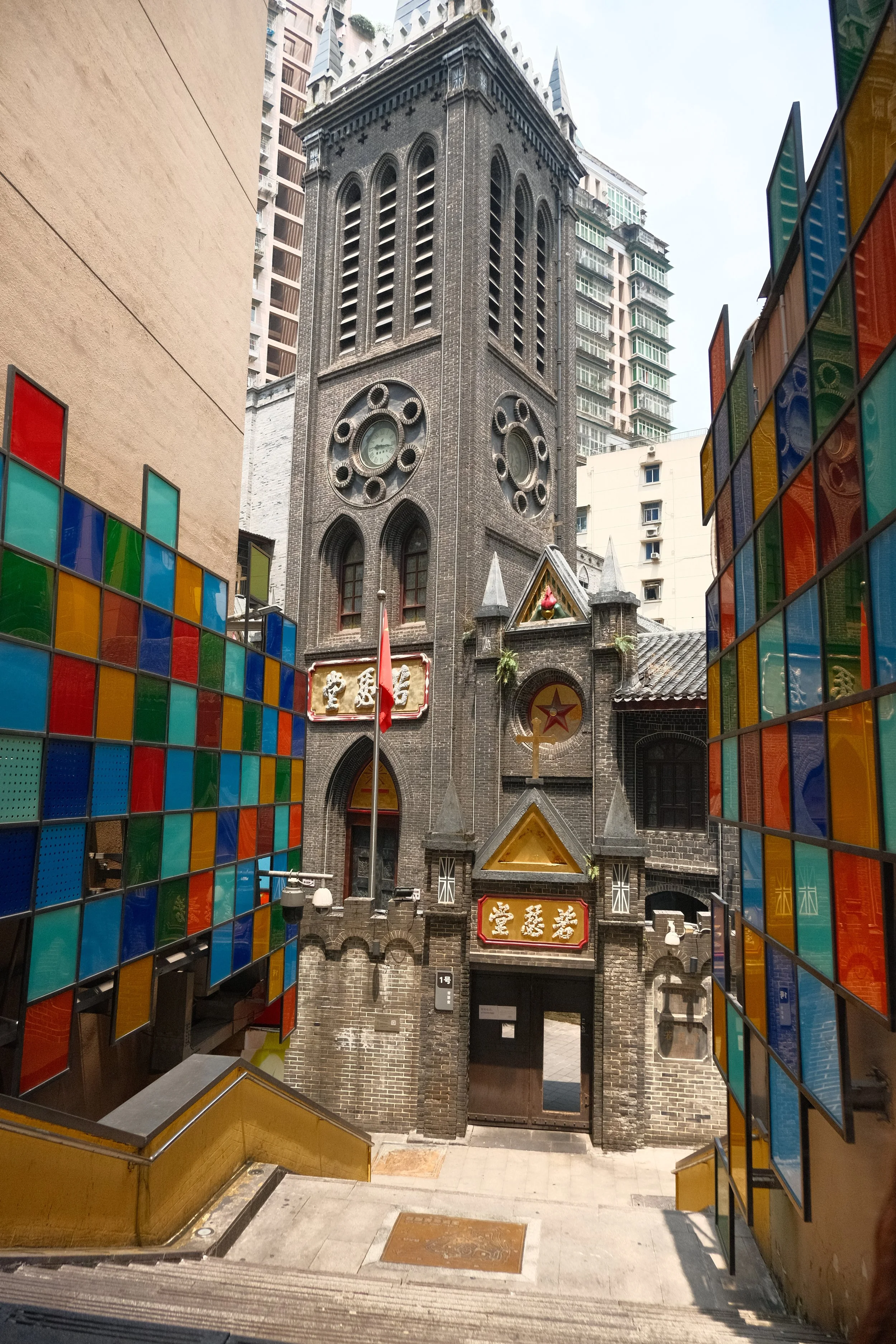
St. Joseph's Cathedral
Continue on Minsheng Road. St. Joseph's Cathedral doesn't announce itself much from the street. It's tucked into a gap between shopfronts a few minutes from Jiefangbei, and it's easy to walk right past without noticing the bell tower rising behind the buildings. Step through the gate though, and the street noise mostly falls away.
French priests broke ground here in 1879. The main hall went up over a decade later, and in 1917 a French priest named Mengdong (孟东) added the cross shaped bell tower you see today, thirty six meters tall, holding a French made clock people say could once be heard for miles on a quiet night. Look closely at the facade and you'll catch a detail nobody points out, a strip of broken blue and white porcelain worked into the inscription over the door, and five pointed stars carved into the round window frames. Chinese hands finishing a French building.
This is still a working cathedral, Mass most days. If you go on a Sunday morning, go to look, not to interrupt.
Rén'ài Church (仁爱堂) and Jīnmǎsì Primary School (金马寺小学)
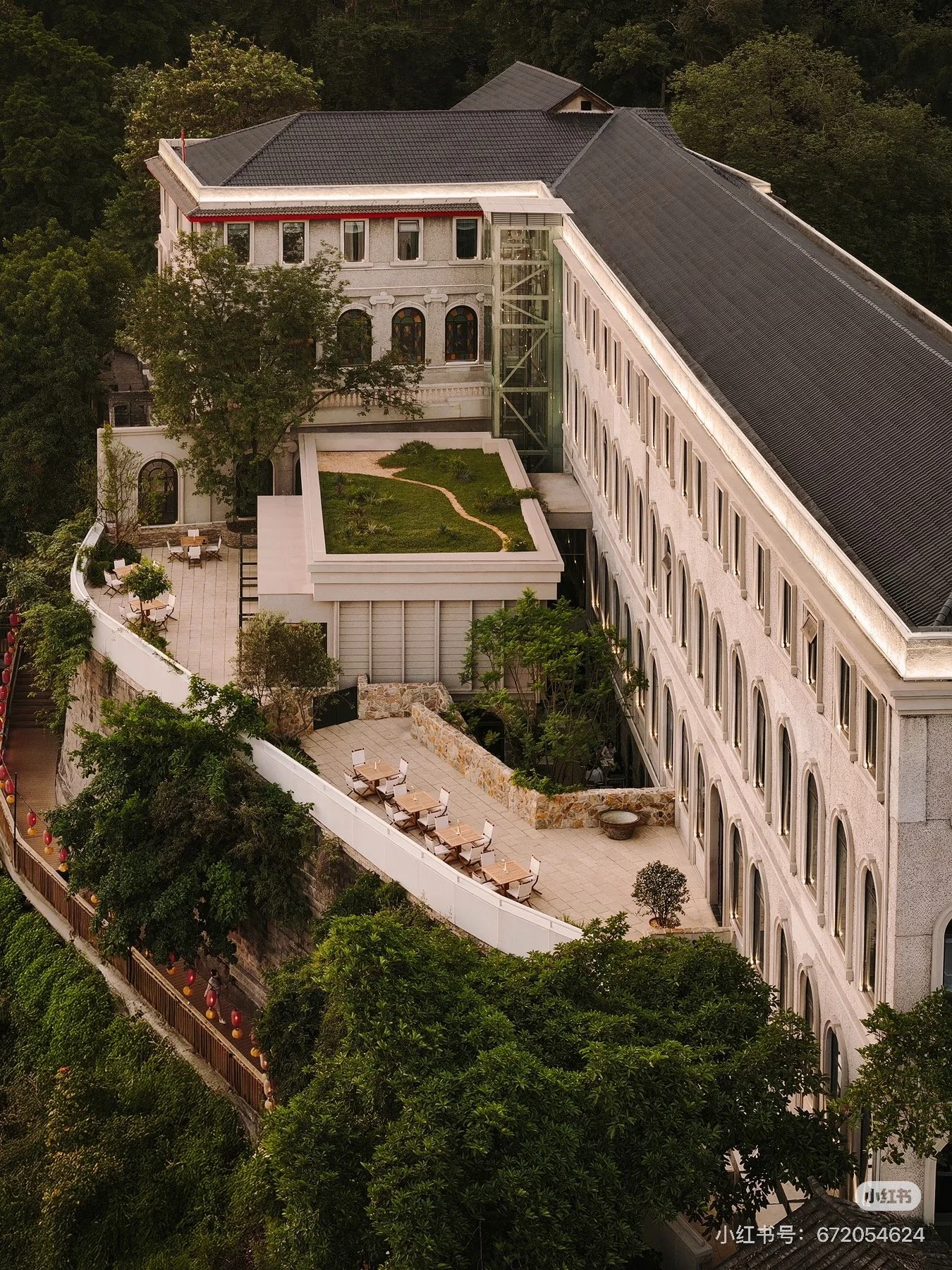
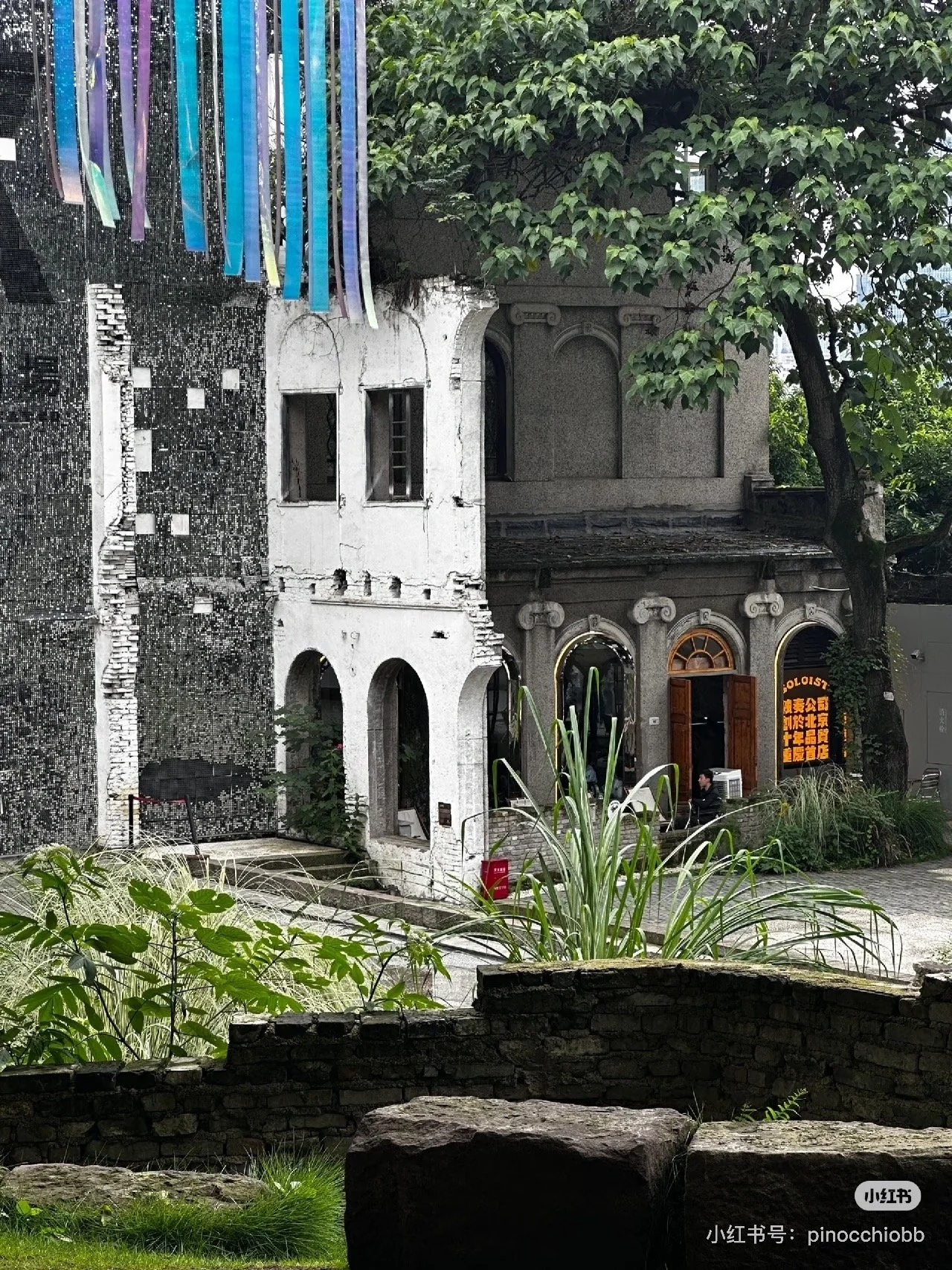
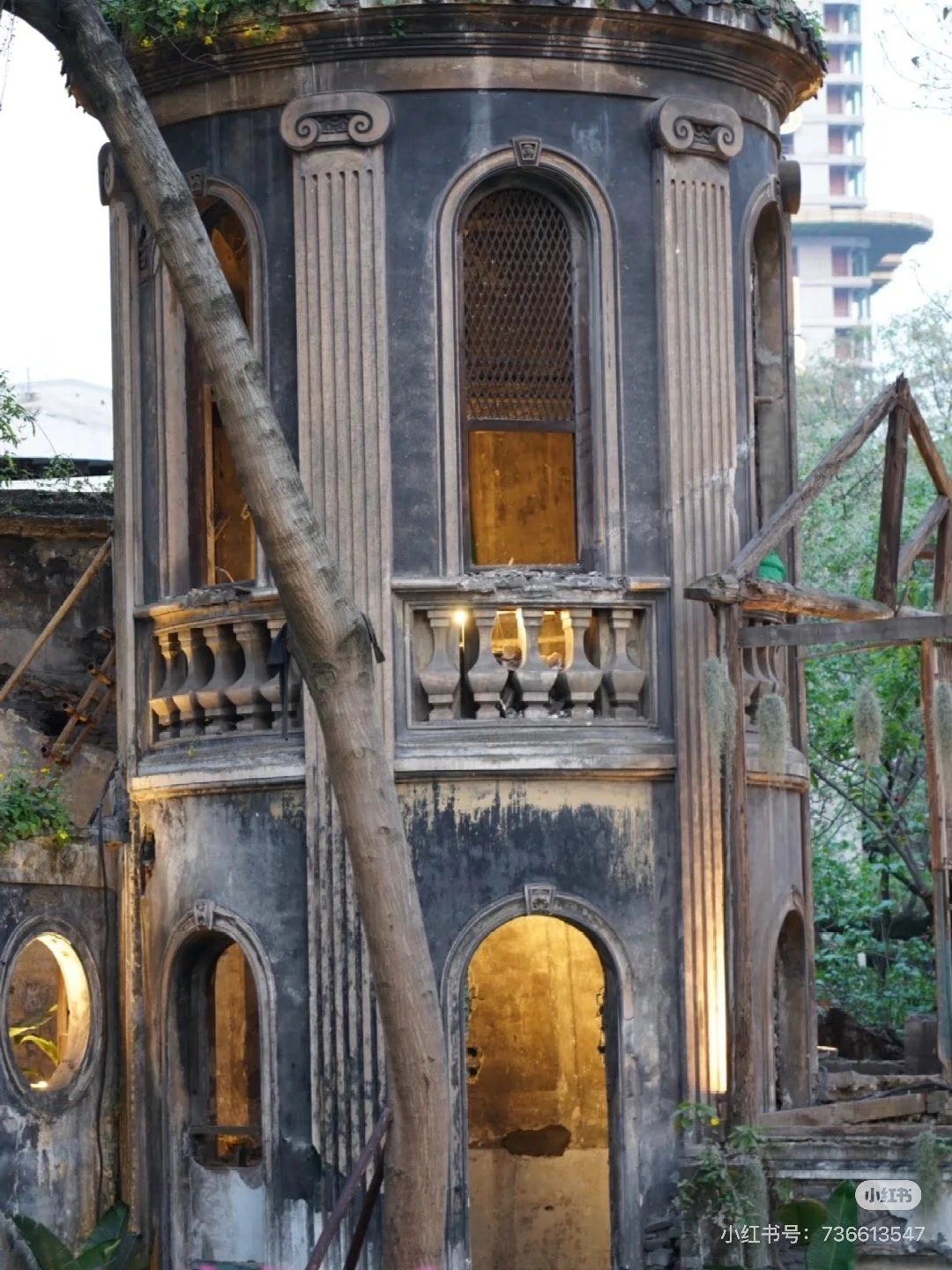
Ten or fifteen minutes on foot, and a fair number of stairs later, you're standing at the highest point of the old city, the Yangtze spread out below.
The building in front of you was Chongqing's first Western hospital, built by the same French mission in 1900 and staffed by a French order of nuns. There was a nursing school here, and an orphanage where the sisters took in children left at the gate. All of that ended in 1951, and for decades after it sat as a Chinese medicine college, then mostly empty.
Last year, a boutique hotel moved in. The chapel is still there, along with the bell tower and a garden the renovation left half wild on purpose. You can book a room, or just walk through and watch a hospital chapel turn into a hotel lobby without losing what made it a chapel.
Right next door, close enough that you'll cross the same courtyard, is Jinmasi primary school, the mission school built the same year as the hospital, by the same priests. Where the hospital borrowed European shapes, the school was built the Chinese way on purpose, brick and timber, and a double sloped roof. It closed as a school in the nineties and sat empty for years. Now it's open again, small shops, a room dedicated to Chongqing stories, and a corner selling local handwoven cloth that has nothing to do with the missionaries and everything to do with what this alley has become.
If You Have Another Day
The three stops above make a complete afternoon on their own. If Chongqing has you for longer, two more places are worth the trip across the river, though you'll want a car or a ride share for these.
Címǔshān Seminary (慈母山修院)
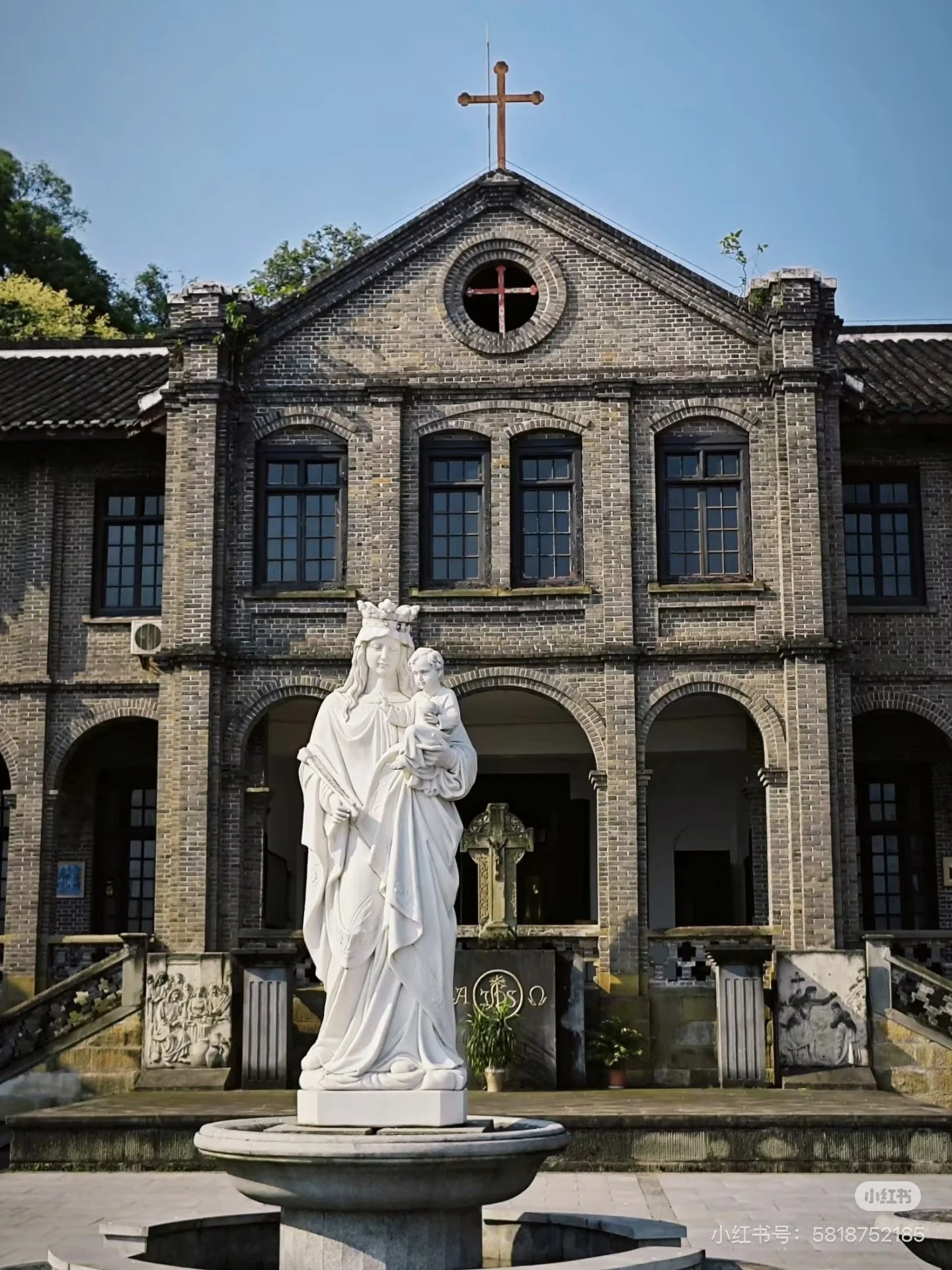
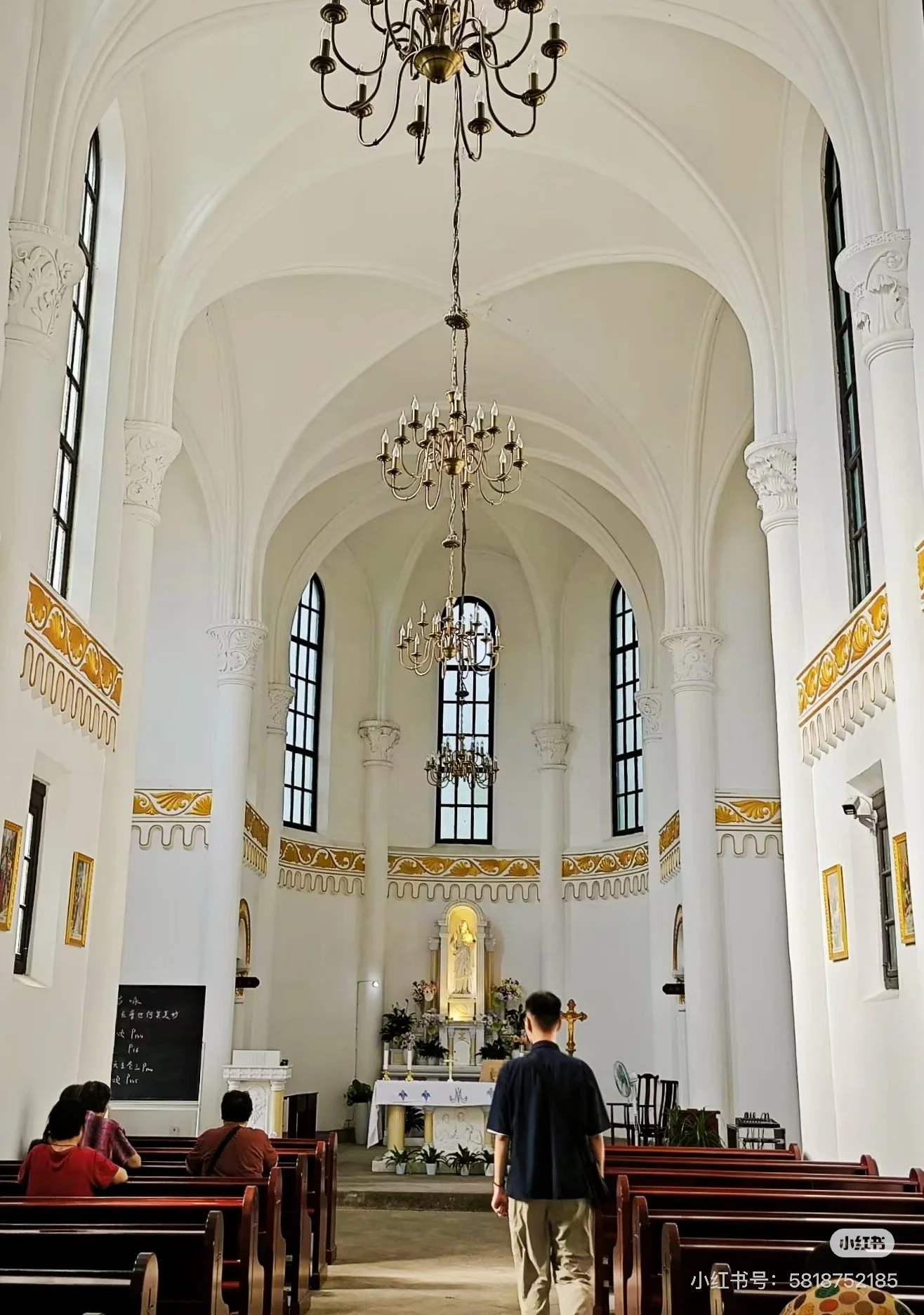
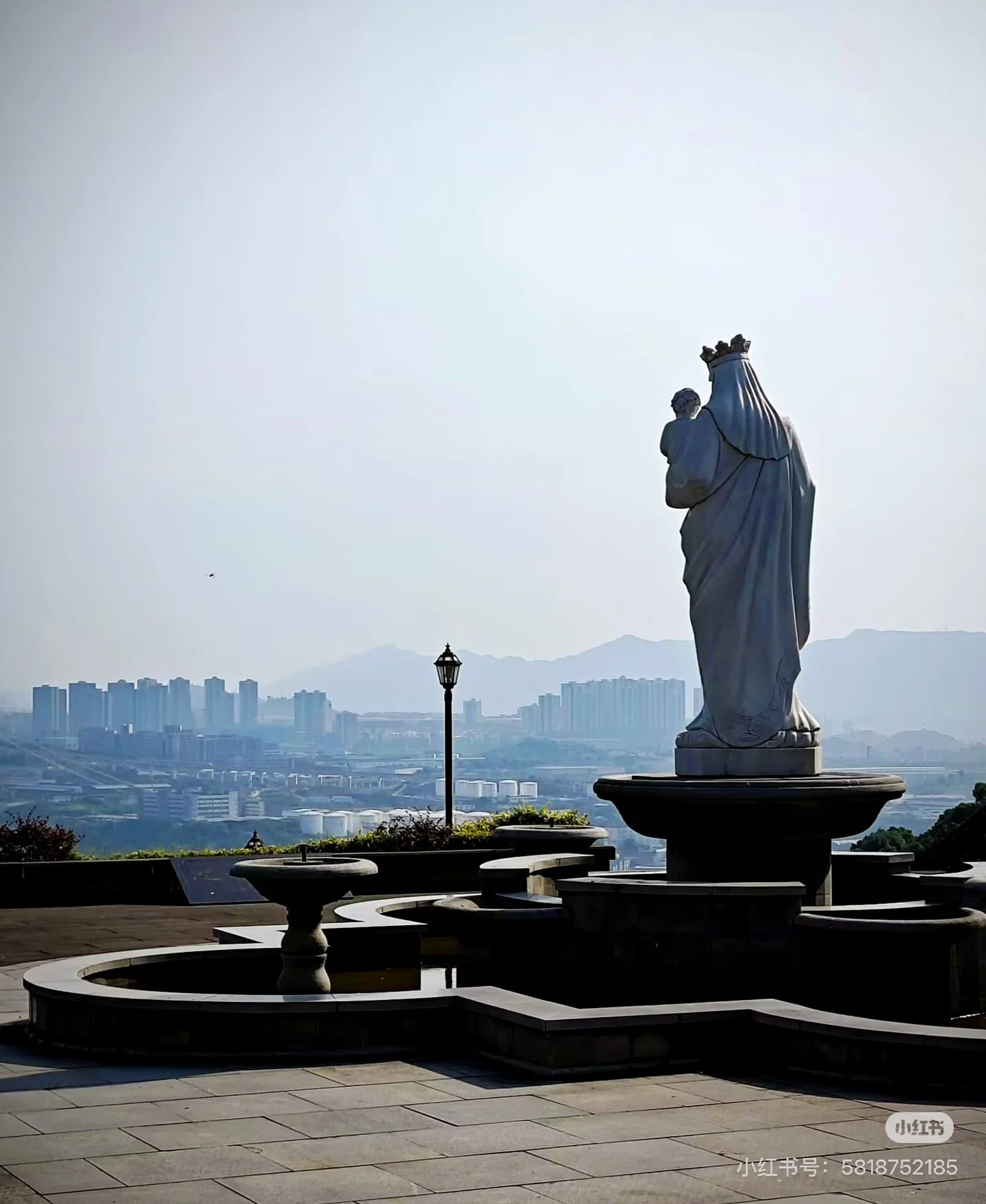
Up in the hills of Nan'an District sits a seminary built in 1911, three courtyards, a Romanesque chapel eighteen meters tall, and six date palms that have somehow survived over a century here. More than three hundred and fifty seminarians trained on this hillside. Chiang Kai-shek visited in the summer of 1939 and reportedly called it a blessed place. Standing here with the river spread out below, that tracks.
The seminary spent the mid century as a dairy farm before it was returned to the church in 2003. Today it's a working retreat center, better suited to a quiet look from outside than a full visit, so treat it as a view worth the trip rather than a stop to walk through.
St. Thérèse Church (江北圣德肋撒堂)
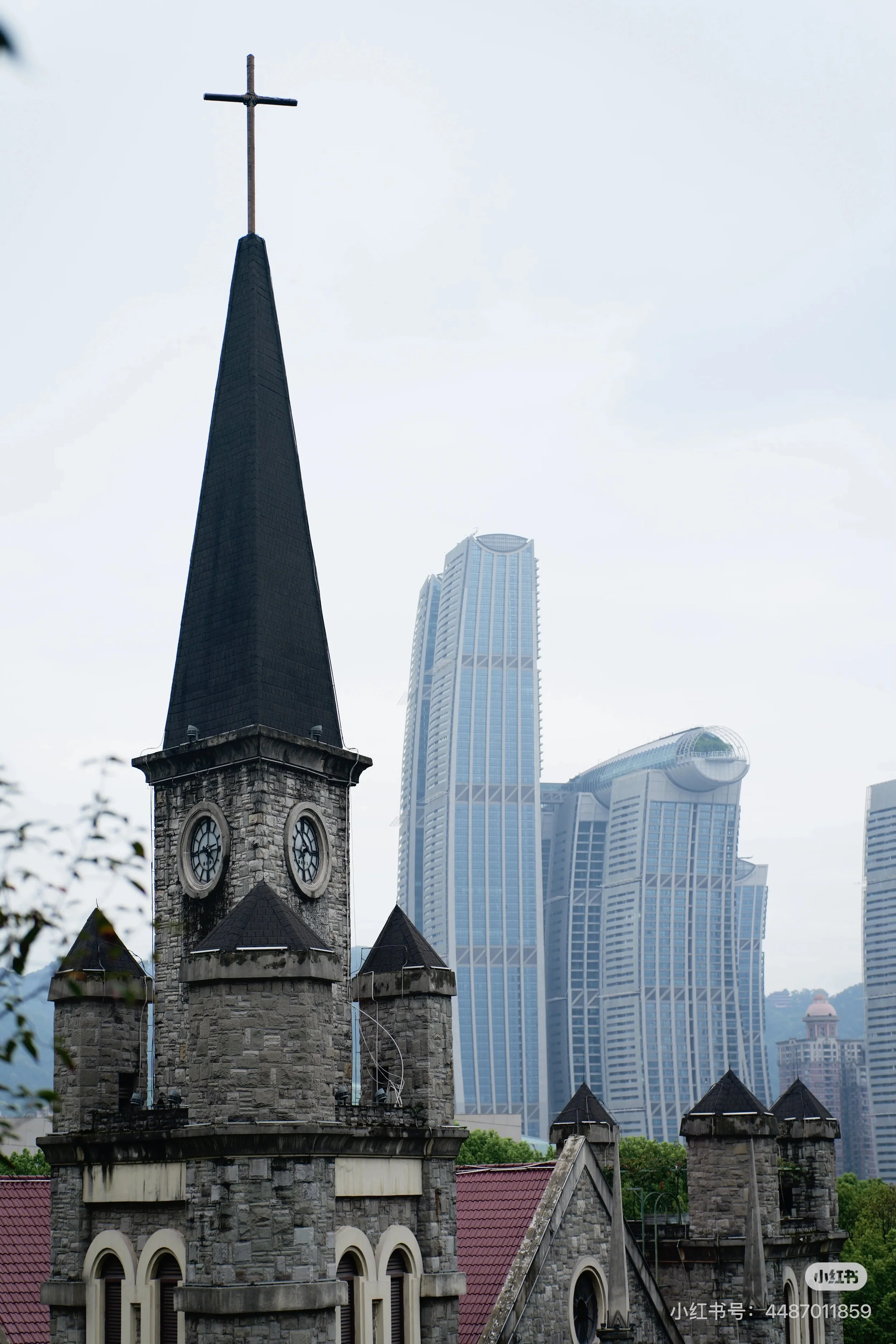
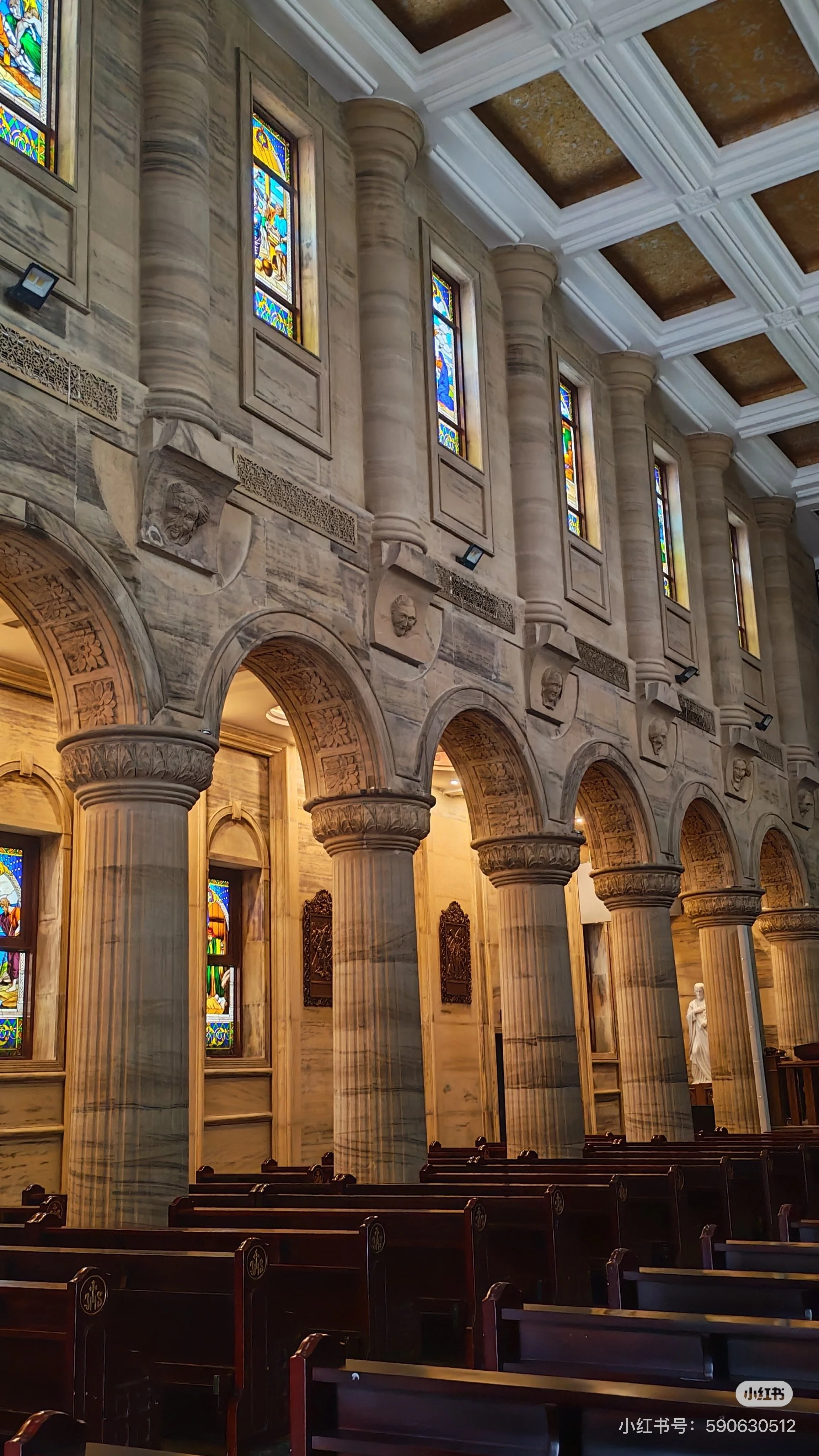
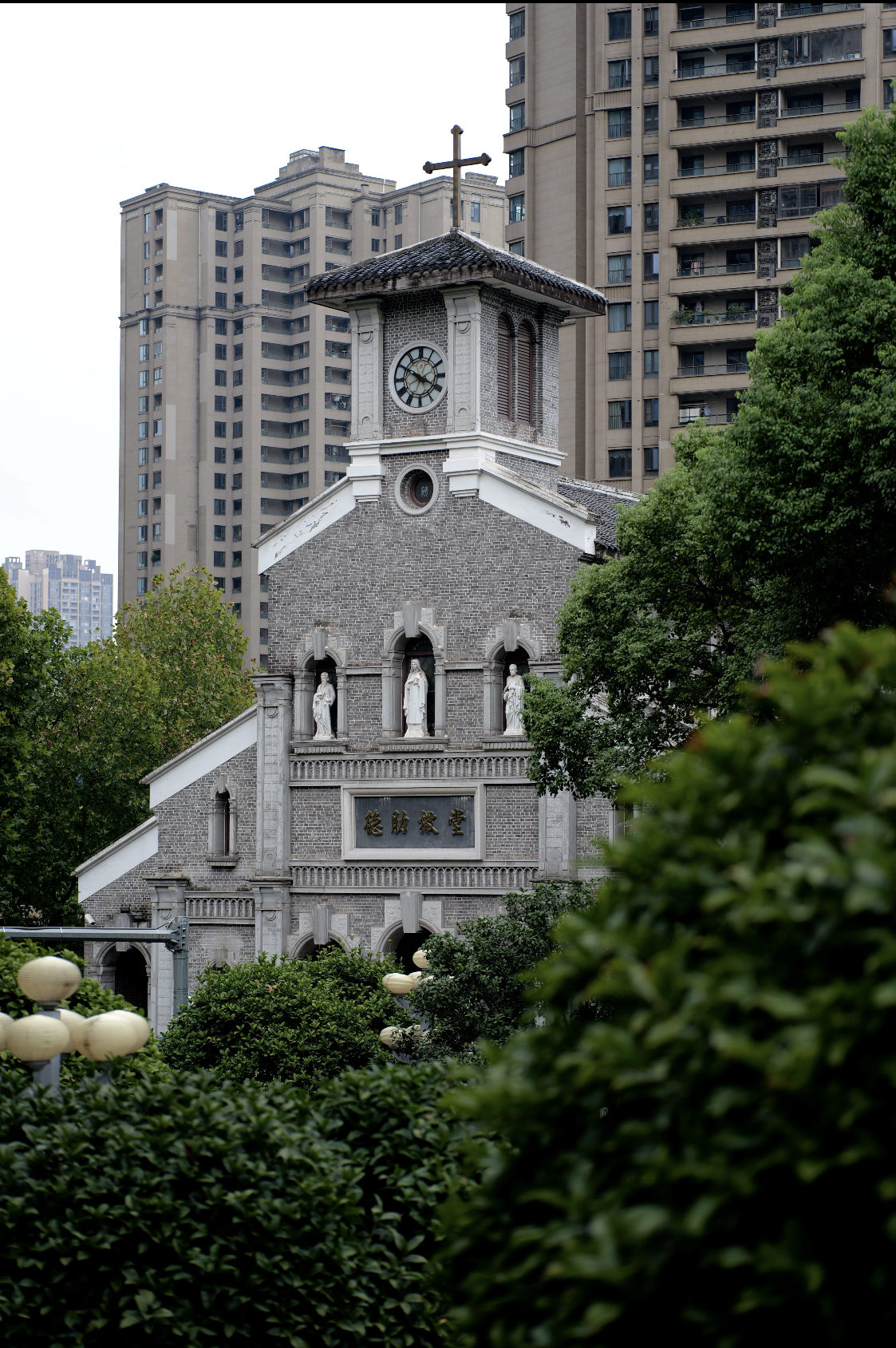
Across the river in Jiangbei, inside a stretch of central park in the middle of the CBD, a much younger looking church holds a much older story. The parish traces back to 1855, though what stands today is a 2008 reconstruction, rebuilt from salvaged materials after redevelopment took the original site. It's still an active church.
Right beside it stands 福音堂, a Gospel Hall built by American missionaries in 1894, a different country and a different church, planted next to a French Catholic one almost by accident. Standing between the two is a good way to see how many separate stories got folded into what Chongqing now just calls its old churches.
What This Walk Actually Is
None of this is really about the missionaries, not for me anyway. It's about a city that keeps repurposing what gets left behind instead of erasing it. A hospital becomes a hotel. A spy post becomes a coffee shop. A schoolhouse becomes a room where people tell each other stories about the alley they grew up on. That instinct, more than any one building, is the most Chongqing thing about this whole walk.
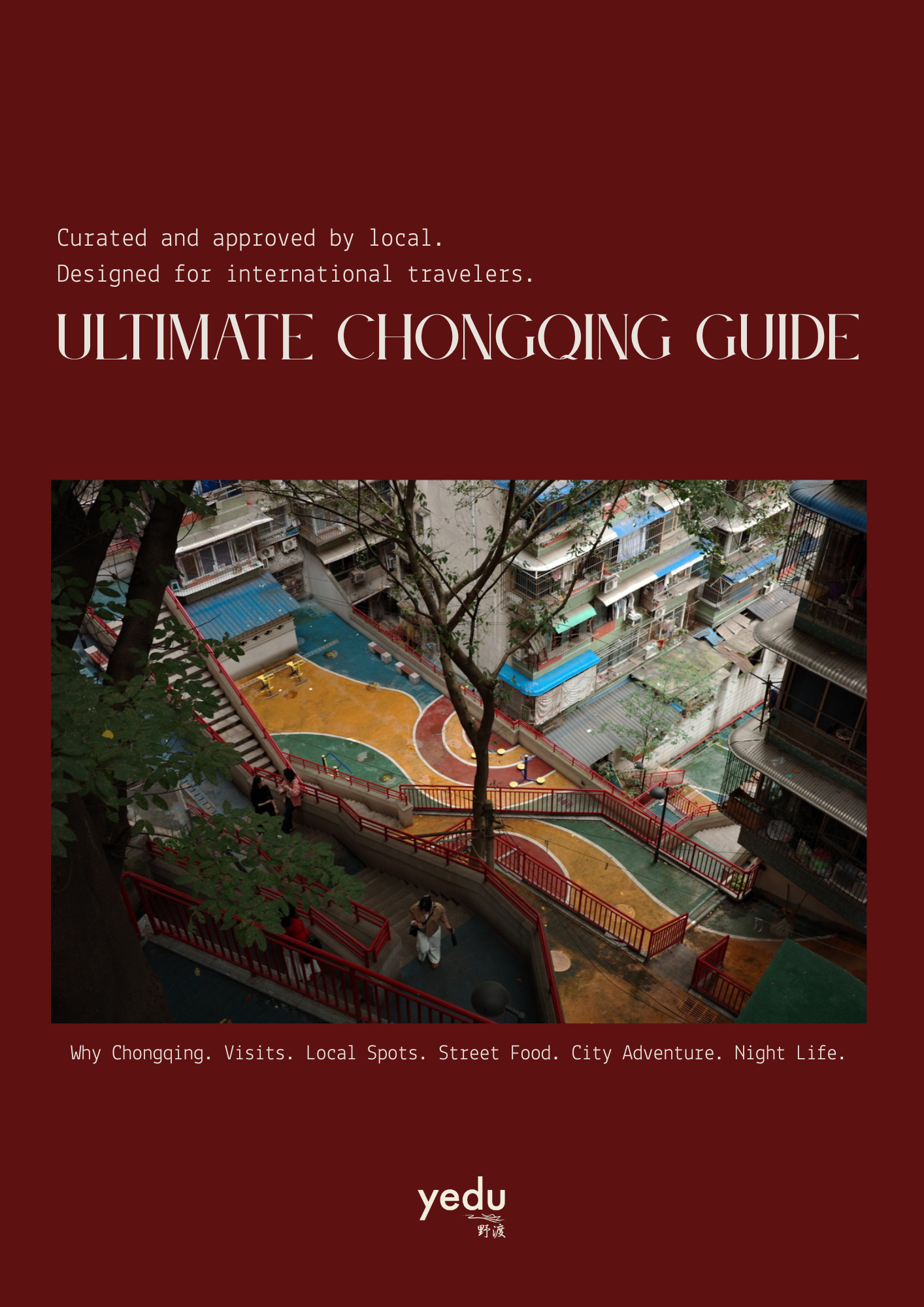
If you want the rest of the city mapped out the same way before you build a route around it, get our Ultimate Chongqing Guide to start. And if you'd rather do this walk with someone who actually lives here than a map, join our city walk tour with a local, and we will tell you more hidden stories of this city.
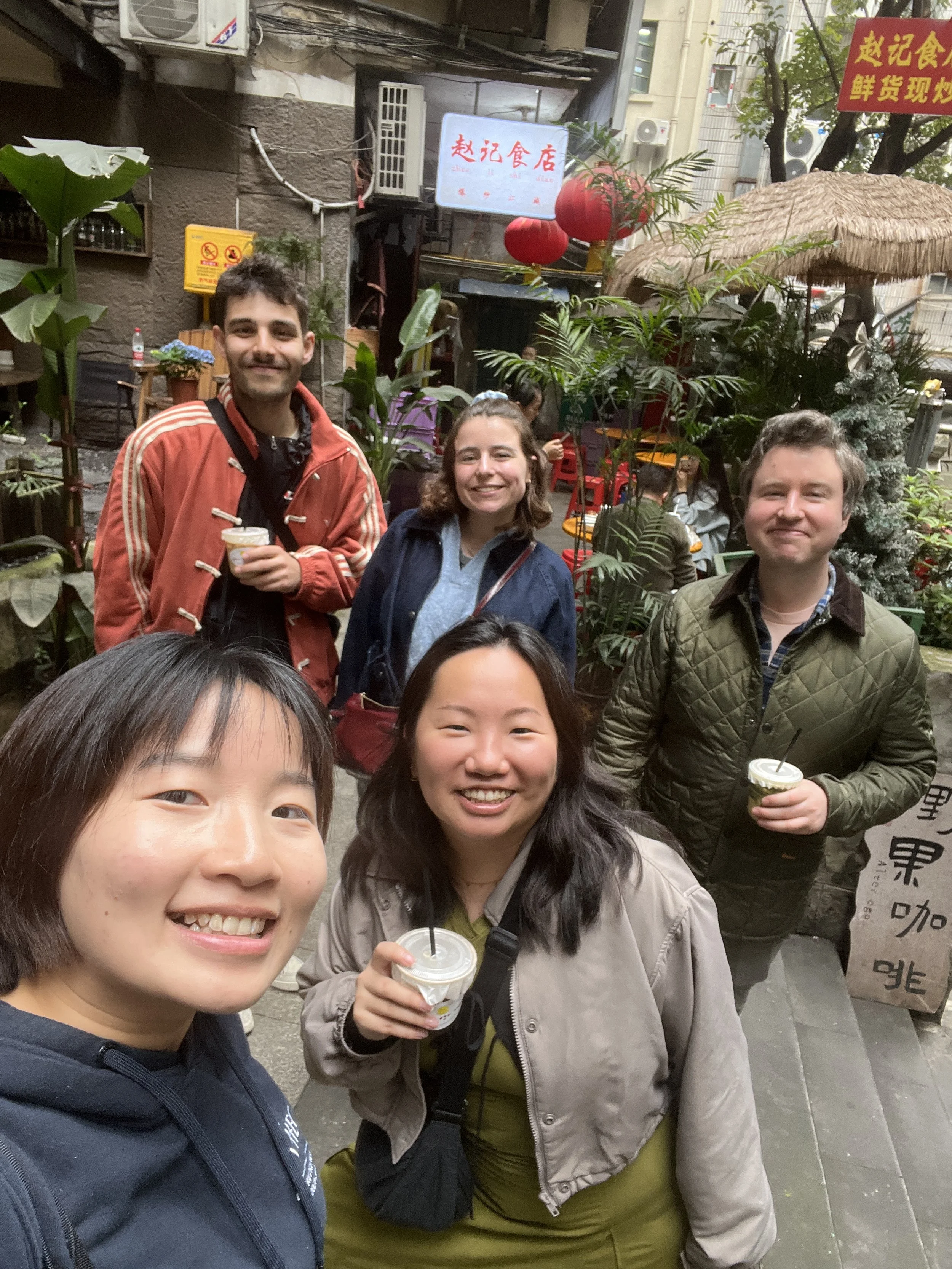
One day, zero fixed stops, built entirely around whoever's coming.
This city rarely goes where a map says it should, so neither do we. Tell us who's coming, what you're curious about, and how much walking anyone's actually up for, and we'll shape the day around that, staircase by staircase, teahouse by teahouse. Same Chongqing we've spent years figuring out, just arranged for nobody but you.